How Much Does An Electrician Cost [2026]
Hiring an electrician in Australia usually costs around $80–$150 per hour, plus a call-out fee of $50–$150.
Smaller jobs, such as installing a powerpoint or light fitting, are often charged at a fixed price of around $140–$250. Larger jobs, such as upgrading a switchboard or rewiring a home, can cost several thousand dollars.
Emergency and after-hours electrical work is usually more expensive, with rates often ranging from $150–$300+ per hour.
How Much Do Electricians Charge Per Hour?
Most electricians charge an hourly rate plus a call-out or service fee. For straightforward jobs where the work is easy to estimate, they may offer a fixed price instead.
In Australia, electrician rates generally range from $70–$150 per hour, with $80–$130 per hour being a common range. The average rate is around $100 per hour, although prices can vary depending on the type of work and when it is completed.
Some electricians charge in 15-minute blocks, so you only pay for the time spent on the job. If there is no separate call-out fee, the first hour may be charged at a higher rate to cover travel and setup costs.
Electrician Cost Per Hour vs Other Trades
Electricians often charge more than some other trades because they need special training and a licence, and their work must meet strict safety standards.
| Trade | Typical Hourly Rate (AUD) | What Can Affect the Price |
|---|---|---|
| Electrician | $70–$150 | Emergency or complex work can cost more |
| Plumber | $80–$200 | Requires professional training and licensing |
| Handyman | $40–$90 | Cannot legally carry out electrical work |
| Painter | $65–$95 | Special finishes and detailed work may cost more |
| Carpenter | $40–$125 | Custom work and joinery can increase the price |
| Removalist | $75–$120 | Price can depend on the amount of work involved |
| Trade | Typical Hourly Rate (AUD) | What Can Affect the Price |
|---|---|---|
| Electrician | $70–$150 | Emergency or complex work can cost more |
| Plumber | $80–$200 | Requires professional training and licensing |
| Handyman | $40–$90 | Cannot legally carry out electrical work |
| Painter | $65–$95 | Special finishes and detailed work may cost more |
| Carpenter | $40–$125 | Custom work and joinery can increase the price |
| Removalist | $75–$120 | Price can depend on the amount of work involved |
Average Electrician Call-Out Fee
A call-out fee is a set charge that covers the electrician’s travel and the initial assessment of the job. This fee usually applies even if the job is small.
In Australia, electrician call-out fees typically range from $50–$150, with $90–$95 being a common amount. Some electricians may waive the fee if you go ahead with the work, while others include the first 15–30 minutes of labour in the call-out fee.
Before agreeing to any work, ask for a written quote that clearly lists the call-out fee, labour and materials. You should also check whether the call-out fee is included in, or deducted from, the final price.
How Much Do Electricians Cost By State and City?
Electrician rates can vary across Australia depending on the state or territory, location and local cost of living. Rates may also differ between major cities and regional areas.
Average Electrician Hourly Rates by State and Territory
| State/Territory | Approx. Hourly Rate |
|---|---|
| New South Wales | $90–$130 |
| Victoria | $85–$150 |
| Queensland | $75–$120 |
| South Australia | $80–$100 |
| Western Australia | $90–$130 |
| Tasmania | $70–$120 |
| Northern Territory | $80–$150 |
| Australian Capital Territory | $90–$155 |
These rates are general estimates only. The actual cost will depend on the electrician, your location and the type of electrical work required.
City vs Regional Pricing
Electrician rates in regional and remote areas can sometimes be higher than in major cities. Longer travel times, fewer available electricians and the cost of sourcing parts can all increase the final price.
Rates in major cities such as Sydney and Melbourne can also be higher due to greater demand and a higher cost of living.
| City | Typical Hourly Rate | Regional Equivalent |
|---|---|---|
| Sydney | $90–$130 | NSW regional: $90–$120 |
| Melbourne | $85–$150 | VIC regional: $85–$120 |
| Brisbane | $75–$120 | QLD regional: $80–$115 |
| Perth | $85–$130 | WA regional: $90–$130 |
| Adelaide | $75–$110 | SA regional: $85–$115 |
| Canberra | $88–$155 | — |
| Hobart | $70–$110 | TAS regional: $70–$120 |
| Darwin | $80–$140 | NT regional: $100–$150 |
| City | Typical Hourly Rate | Regional Equivalent |
|---|---|---|
| Sydney | $90–$130 | NSW regional: $90–$120 |
| Melbourne | $85–$150 | VIC regional: $85–$120 |
| Brisbane | $75–$120 | QLD regional: $80–$115 |
| Perth | $85–$130 | WA regional: $90–$130 |
| Adelaide | $75–$110 | SA regional: $85–$115 |
| Canberra | $88–$155 | — |
| Hobart | $70–$110 | TAS regional: $70–$120 |
| Darwin | $80–$140 | NT regional: $100–$150 |
These rates are general estimates and can vary depending on the electrician, the type of work and the distance they need to travel.
What Do Electricians Charge For Different Jobs?
Most common electrical jobs around the home are charged at a fixed price rather than an hourly rate. This can make it easier to understand how much the work will cost before it begins.
The prices below are general estimates based on Australian pricing guides. Actual costs can vary depending on your location, the type of materials used and how easy the job is to access.
Powerpoint Installation Cost
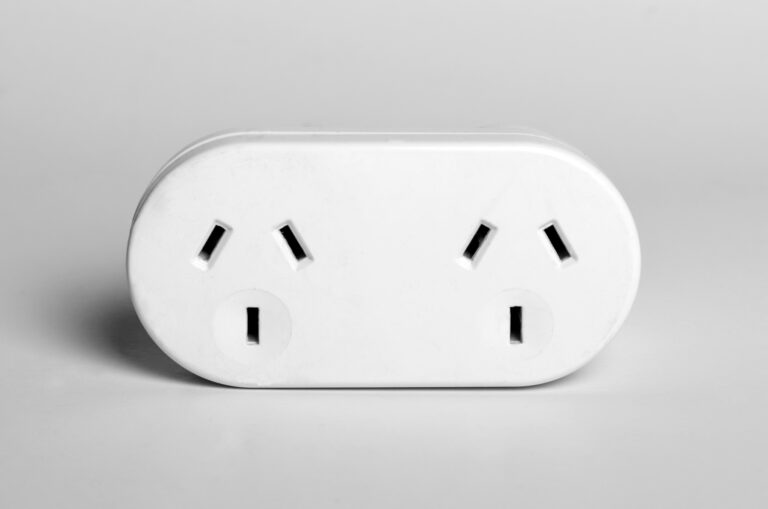
Installing a new powerpoint typically costs around $140–$250, including labour and materials. For a standard installation, the cost is often around $150–$180.
Costs may be higher if the electrician needs to install wiring through brick or double-brick walls, or if you choose a USB or multi-outlet powerpoint. If several powerpoints are installed during the same visit, the cost per point may be lower.
Lighting Installation Cost
The cost of installing lighting will depend on the type of light and the amount of work required. Typical installation costs include:
- Standard ceiling lights, downlights and pendant lights: $60–$130 per light
- LED downlights: $50–$120 per light
- Chandeliers and larger feature lights: $250–$500 per light
- Outdoor lighting: $75–$250 per light or per hour, depending on the type of installation
These prices generally cover the installation work only and do not include the cost of the light fitting. The fitting should be included separately when planning your overall budget.
Safety Switch Installation Cost
Installing a safety switch (RCD) typically costs between $85 and $350, with many installations ranging from $150 to $230.
Safety switches are an important part of your home’s electrical system. They help protect people from electric shock by quickly cutting the power when an electrical fault is detected. Safety switches are also required for certain electrical circuits in Australian homes.
Switchboard Upgrade Cost
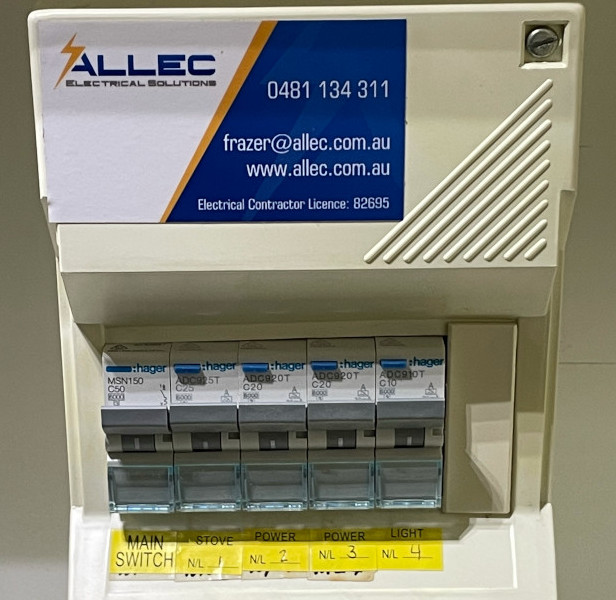
If your switchboard still uses older ceramic fuses instead of modern circuit breakers, an electrician may recommend an upgrade before carrying out other electrical work. The cost can vary depending on the type of switchboard and the work required.
| Switchboard Work | Estimated Cost |
|---|---|
| Replace ceramic fuses with circuit breakers | $500–$1,200 |
| Full single-phase switchboard upgrade | $900–$3,000 |
| Full three-phase switchboard upgrade | $2,500–$4,500 |
| Switchboard and meter box relocation | $3,000–$6,000 |
Your switchboard may need attention if fuses regularly blow, lights flicker when appliances are in use, there is a burning smell near the switchboard, or the wiring shows signs of damage. If you notice any of these signs, have the switchboard checked by a licensed electrician.
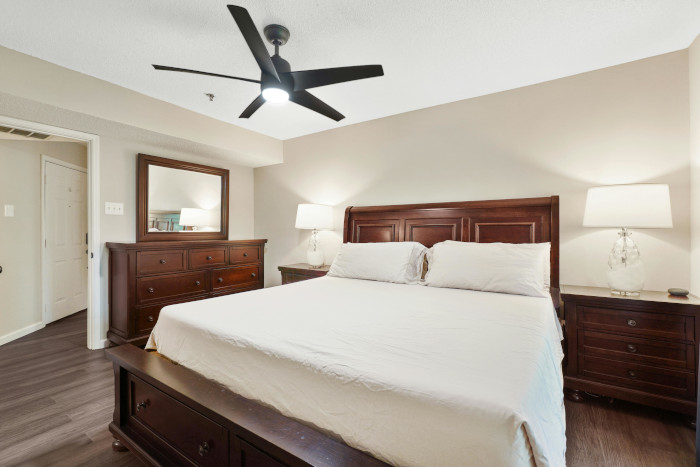
Ceiling Fan Installation Cost
Installing a ceiling fan typically costs between $150 and $450 per fan. The final price will depend on factors such as the ceiling height, whether the fan is replacing an existing one or being installed in a new location, and whether it includes a built-in light.
Hardwired Smoke Alarm Installation Cost
Smoke alarm installation typically costs between $80 and $300 per alarm, with an average cost of around $150. The final price will depend on the type of alarm and the installation required.
More complex installations, such as interconnected smoke alarm systems or properties with difficult-to-access ceilings, may cost more.
Rewiring and Wiring Installation Cost
Electrical rewiring costs can vary significantly depending on the size of the property and the amount of work required. Typical costs include:
- Rewiring a single room: $1,000–$3,000
- Full rewire of a three-bedroom home: $3,000–$20,000, with $8,000–$12,000 being a common range
- Electrical wiring and connections for a renovation, such as a kitchen: $500–$1,200
The final cost will depend on several factors, including the size of the area, number of powerpoints and circuits required, access to existing wiring, and whether the switchboard also needs to be upgraded.
EV Charger Installation Cost
Installing a Level 2 EV charger at home typically costs between $700 and $3,500. The final cost will depend on the type of charger, how far it is from the switchboard, and whether the switchboard needs to be upgraded before installation.
Home Automation System Installation Cost
Home automation costs can vary significantly depending on the size of the property and the level of technology required.
- Small three-bedroom home: approximately $5,000–$35,000
- Larger homes or fully integrated systems: $50,000–$100,000+
A complete home automation system can connect and control features such as lighting, heating and cooling, ventilation, security and smart appliances. In addition to making the home easier to manage, a well-designed system may also add to the property’s appeal and resale value.
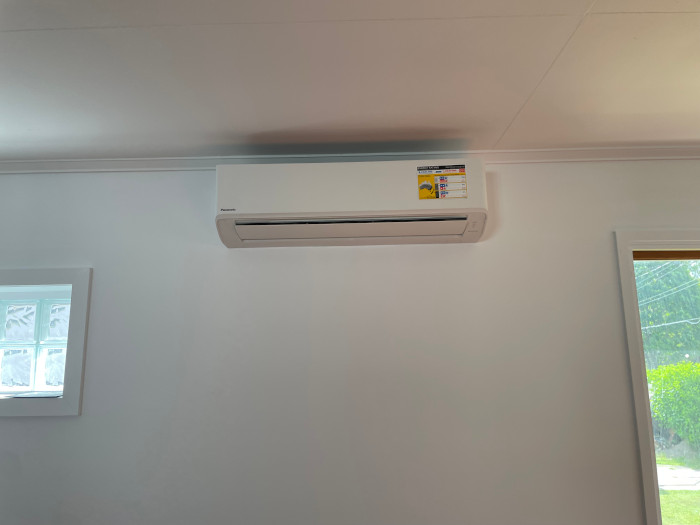
Ducted Heating / Air Conditioning Installation Cost
Installing a ducted heating or air conditioning system typically costs between $5,000 and $10,000, depending on the size of the system and the complexity of the installation.
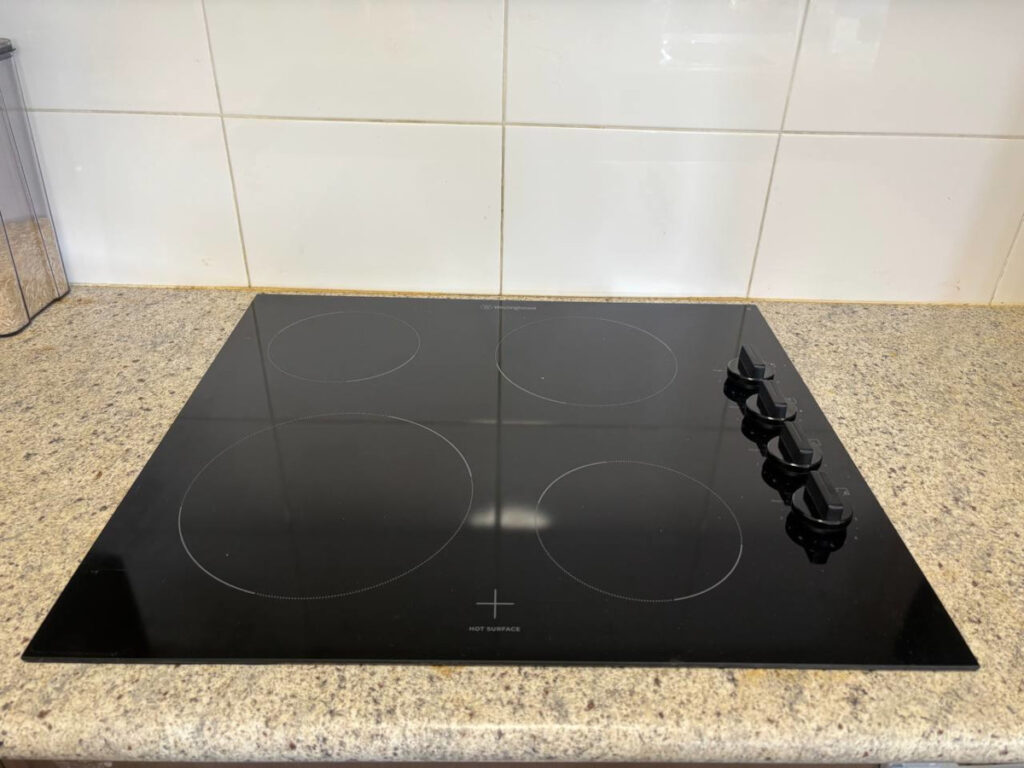
Electrical installation for individual appliances, such as ovens, cooktops and air conditioners, generally ranges from $100 to $600. Additional costs may apply if the existing wiring needs to be upgraded or modified to safely support the new appliance.
Security Camera / CCTV Installation Cost
Installing a basic CCTV security system typically costs around $200–$500 per camera. The final cost may be higher for larger systems with multiple cameras or more advanced network features.
Specialist, Emergency and Commercial Electrician Rates
Specialist Electricians
Specialist electricians are qualified to carry out higher-risk and more complex electrical work, including metering, overhead and underground service connections, and connecting or disconnecting properties from the electricity network.
In NSW, these professionals are known as Level 2 electricians under the ASP scheme. Other states, including Victoria, Queensland, Western Australia and South Australia, have similar qualifications for electricians who perform specialised network and high-risk electrical work.
Rates for specialist electrical work typically range from $100–$180 per hour, reflecting the additional qualifications, safety standards and compliance requirements involved.
Emergency Electrician Rates
Emergency electrical work, including power outages, exposed live wires, burning smells from a switchboard, and electrical damage caused by storms or flooding, typically costs between $150 and $300 per hour.
An additional after-hours fee of around $80–$200 may apply for work completed at night, on weekends or on public holidays. Some electricians also charge a minimum call-out period for emergency work. For example, a two-hour minimum could result in a total cost of $400–$600, even if the repair itself takes less than an hour.
Commercial Electrician Rates
Commercial and industrial electrical work generally costs more than residential work due to the larger scale, greater complexity and additional safety and compliance requirements involved.
Hourly rates typically range from $100–$200, depending on the type of property and electrical work required.
| Type of Property | Typical Hourly Rate |
|---|---|
| Small businesses – POS wiring, security cameras and lighting upgrades | $100–$130 |
| Offices – data cabling, backup power and emergency lighting | $120–$150 |
| Industrial sites – three-phase power and high-voltage maintenance | $130–$200 |
The final cost will depend on the scope of the work, site requirements and level of specialist expertise required.
What Affects Electrician Costs in Australia?
Several factors can influence the final cost of electrical work, including:
- Experience and qualifications: Rates can vary based on the electrician’s level of experience and qualifications. Electricians with advanced or specialist qualifications may charge higher rates.
- Type and complexity of work: Straightforward repairs and installations generally cost less than complex work such as rewiring, switchboard upgrades or home automation.
- Location: Electrical rates vary across Australia. Major cities may have higher labour costs, while regional and remote areas may involve additional travel charges.
- Switchboard condition: Older switchboards, particularly those with ceramic fuses, may need to be upgraded before certain electrical work can be completed.
- Time of service: After-hours, weekend and public holiday work can cost 50–100% more than standard business-hours rates.
- Materials and equipment: The type and quality of wiring, switches, fittings and specialist equipment required can affect the overall cost.
- Site access: High ceilings, tight roof spaces, multi-storey properties and difficult-to-access wiring can increase the time and labour required.
- Number of installations: Installing several powerpoints, lights or fans during the same visit may reduce the cost per item.
- Project size: Larger projects, including new builds, commercial fit-outs, solar installations and EV chargers, are often provided at a fixed project price rather than an hourly rate.
Electrician Salaries and Pay Rates in Australia
To put these hourly rates into perspective, electricians in Australia generally earn between $65,000 and $120,000+ per year. Entry-level electricians may earn around $65,000, while experienced and self-employed electricians can earn more than $120,000 per year.
Earnings are often higher for electricians working in commercial, industrial, mining and resources sectors, where specialist skills may be required. Minimum pay rates and employment conditions are set under relevant Fair Work Australia award rates.
Salaries can also vary by location, with electricians working in Western Australia and the Northern Territory often earning higher rates, particularly in mining and resources-related roles.
What Does An Electrician Do?
Common electrical services include:
- Repairs and maintenance: Identifying and repairing electrical faults, replacing old or unsafe wiring, and maintaining existing electrical systems.
- New homes and renovations: Installing powerpoints, lighting, wiring and switchboards in line with current electrical standards.
- Lighting and solar power: Installing indoor and outdoor lighting, as well as wiring and connecting solar power systems.
- Home automation and entertainment systems: Installing smart lighting, climate control, security systems and integrated home entertainment systems.
Electricians play an important role in keeping electrical systems safe, reliable and compliant with Australian electrical standards.
The Dangers (and Illegality) of DIY Electrical Work
Electrical work involves serious safety risks, including electric shock, electrocution and fire. For this reason, electrical work should not be treated as a DIY project, even when the task appears straightforward.
In Australia, electrical work generally must be completed by a licensed electrician. Carrying out electrical work without the required licence can result in significant penalties. In NSW, for example, fines for unlicensed electrical work can reach up to $22,000.
Unlicensed work may also affect your home insurance, particularly if it leads to property damage or injury. To protect your property and ensure the work meets Australian safety requirements, always use a licensed electrician. Apprentices and trainees must also complete electrical work under the required supervision.
Getting An Electrical Quote: Things To Check
Before choosing an electrician, it is important to compare several quotes and understand exactly what is included. While price is an important consideration, qualifications, experience and the quality of the work should also be considered.
- Check licensing and insurance: Confirm that the electrician holds the appropriate licence and insurance. You can check your state’s licensing register or ask the electrician for proof.
- Understand the pricing structure: Ask whether the work will be charged at an hourly rate or a fixed price, and whether a call-out fee applies.
- Request an itemised written quote: The quote should clearly outline the cost of labour, materials, call-out fees and any additional charges.
- Review previous work: Check customer reviews and references to learn more about the electrician’s reliability and quality of work.
- Confirm availability and timing: Ask when the work can begin and how long it is expected to take, particularly for urgent electrical repairs.
- Compare similar quotes: Make sure each quote covers the same scope of work, materials, brands, warranties and inclusions so you can make a fair comparison.
- Ask about additional costs: Check whether extra charges may apply for additional materials, unexpected wiring issues, permits, inspections or after-hours work.
How To Save Money On An Electrician
There are several practical ways to manage the cost of hiring an electrician:
- Compare multiple quotes: Request quotes from several licensed local electricians before choosing a provider.
- Book during standard business hours: After-hours, weekend and public holiday work can cost 50–100% more than standard rates.
- Combine smaller jobs: If you need several powerpoints, lights or ceiling fans installed, completing them during the same visit may reduce overall call-out and labour costs.
- Check your switchboard early: Ask whether a switchboard upgrade may be required before the work begins, as this can add a significant cost to the project.
- Request a fixed-price quote: When the scope of work is clear, a fixed-price quote can provide greater certainty over the final cost.
- Ask about an initial phone consultation: For minor concerns, an electrician may be able to provide initial guidance over the phone before deciding whether an on-site visit is required.
Conclusion
Electrician rates in Australia typically range from $80 to $150 per hour, with a call-out fee of around $50–$150. The final cost will depend on factors such as the type and complexity of the work, location, site access, materials required and whether the work is completed during or outside standard business hours.
Smaller electrical jobs, such as installing a powerpoint or light fitting, are often provided at a fixed price of around $60–$250. Larger projects, including switchboard upgrades, home rewiring, EV charger installations and home automation, can range from several hundred to tens of thousands of dollars.
Because electrical work involves strict safety requirements, it should always be carried out by a licensed electrician. Requesting several written, itemised quotes can help you compare costs, understand what is included and choose the right electrician for the job.
For electrical services across Ipswich and South East Queensland, Allec Electrical Solutions provides obligation-free quotes based on the work required. Call 0481 134 311 to discuss your electrical needs.

FAQ
How much does an electrician cost per hour in Australia?
Most electricians charge between $80 and $150 per hour, with an average rate of around $100 per hour. The final rate can vary depending on the electrician’s experience, your location and the type of work required. A separate call-out fee may also apply.
How much is an electrician call-out fee?
Call-out fees typically range from $50 to $150 and help cover the electrician’s travel, initial inspection and setup time. Some electricians may remove the call-out fee if you choose to go ahead with the work.
Do I need a licensed electrician for all electrical work?
Yes. In Australia, electrical work must be completed by a licensed electrician, or by a trainee working under the required supervision. Unlicensed electrical work is illegal and may affect your home insurance. It can also create serious safety risks, including electric shock, electrocution and fire.
How much does it cost to install a power point?
Installing a new powerpoint typically costs between $140 and $250, including labour and materials. The final price can vary depending on the installation, such as whether wiring needs to go through brick walls. Installing several powerpoints during the same visit may also reduce the cost per point.
How much does a switchboard upgrade cost?
A full switchboard upgrade typically costs between $900 and $3,000 for a single-phase system, while a three-phase upgrade generally costs around $2,500–$4,500. If you only need to replace old ceramic fuses with modern circuit breakers, the cost is usually lower, at around $500–$1,200.
How much more do emergency electricians charge?
Emergency and after-hours electrical work typically costs between $150 and $300 per hour. An additional after-hours fee of around $80–$200 may also apply. Some electricians may instead charge a minimum call-out fee for work completed at night or on public holidays.
How much does it cost to rewire a house?
Rewiring a three-bedroom home typically costs between $8,000 and $12,000, although prices can range from $3,000 to $20,000. The final cost will depend on factors such as the size and age of the home, as well as how easy the existing wiring is to access.
Is it cheaper to get an electrician in a regional area?
Not always. Electrician rates can be lower in regional areas, but this is not guaranteed. Longer travel times, fewer local electricians and limited access to parts can increase the cost. In some regional or remote areas, electrician rates may be similar to or even higher than those in major cities.
Are electrical quotes free?
Most electricians provide free quotes for straightforward electrical work. However, more complex jobs that require an electrician to visit the property and inspect the problem may include an assessment or diagnostic fee.
What’s the difference between a licensed electrician and a Master Electrician?
A Master Electrician holds the same electrical licence as other qualified electricians but is also a member of Master Electricians Australia (MEA). Membership provides access to additional industry training, resources and professional support.