How Much For Security Camera Installation? [2026]
There is no single answer to the question, “How much does a CCTV system cost?”
The total price can change depending on your type of property, how hard the installation is, and the equipment you choose. Different CCTV systems also have different features, which can affect the cost.
In most cases, the price depends on two main things:
- The type of equipment used
- How complex the installation is
In this guide, we will explain these factors in a simple way to help you understand how much you may need to budget for a new CCTV system.
Overview Of CCTV Prices
If you are thinking about installing CCTV in Brisbane, it is important to understand the different costs.
The first cost is usually the cameras. These can be cheaper basic models or more expensive high-quality ones, depending on your cameras installation needs.
You will also need to pay for cables, connectors, and any parts needed to mount the cameras. The installation cost can change a lot depending on how hard the job is and how many cameras you want. A security installer may charge hourly installation rates typically land somewhere within a set range, and the total cost often starts higher for more complex jobs.
Extra features, like viewing your cameras from your phone or storing footage online, can also increase the price.
It is a good idea to get quotes from a few different installers so you can compare prices and choose the best option for your budget.
Digital vs Analogue
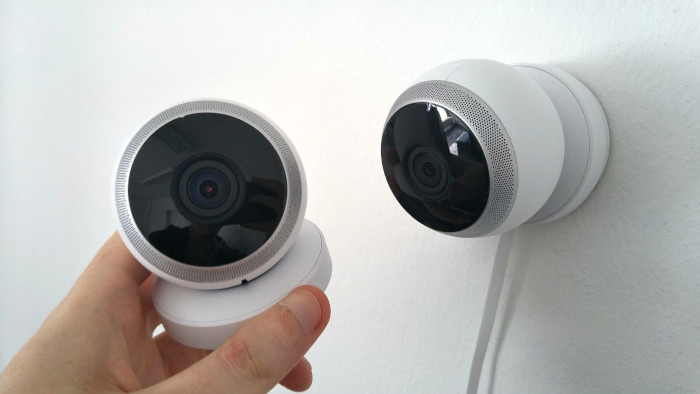
Digital (IP) cameras usually cost more, about $150 extra for each camera, but they are better value over time. They offer:
- Clearer video quality
- Power and internet through one cable (PoE)
- Better security with video encryption
- Easy use with modern CCTV systems
Analogue cameras are cheaper at the start, but they do not perform as well and are less flexible.
For most setups, digital cameras are a better choice because they give clearer images, smoother video, and more reliable performance.
Number Of Megapixels
High-resolution security camera systems, which have more megapixels (like 6MP or 8MP), usually have higher system costs. The videos they record are also larger, so they take up more storage space. This can increase the cost if you are paying for cloud storage.
Lower-resolution cameras (around 4MP to 6MP) are usually good enough for homes when you install CCTV.
Higher-resolution cameras are better for businesses because they can capture more detail and let you zoom in more clearly, especially with professional installation and more advanced camera installation setups.
Type Of Low Light Technology
There are two main types of cameras for low light:
- Infrared (IR): Cheaper and uses special light to see in the dark
- Starlight: More expensive, but can show colour images at night using natural light. It can also save energy over time
The price of a Starlight camera depends on how well it needs to work in very low light.
Some features can affect each other. For example, higher resolution cameras may not work as well at night because their pixels are smaller and take in less light.
For homes, 4MP to 6MP cameras usually work well for both day and night. Larger businesses often use a mix of high and lower resolution cameras to get the best results.
Fixed Lens Or Varifocal
A fixed lens camera is usually cheaper because you cannot change what it can see (its field of view).
For most homes, fixed lens cameras work well. This is because trained technicians know how to place the cameras in the right spots to cover all the important areas, so there is no need to adjust them later.
Varifocal lens cameras let you change the view, so they are more often used in larger business setups.
There are two types of varifocal lenses:
- Manual: you adjust it by hand
- Motorised: you can adjust it using controls
Motorised lenses usually cost more than manual ones.
Brand
Different brands sell security cameras at different prices based on the quality of their equipment and software. Some also offer complete kits or systems that can include features like access control, which can affect the overall price.
Number Of Cameras Required
This might sound obvious, but you may need more cameras to fully protect your home or business and make sure there are no blind spots.
You might also need different types of cameras. For example, some cameras are better at night, while others give clearer images during the day.
Adding more cameras will increase the cost. You may also need a bigger recorder (NVR) to handle them, like an 8-channel system instead of a 6-channel one.
We will explain this in more detail in the next section.
The Cost Of A Recorder
Basic NVR or DVR systems usually start at about $300, while more advanced ones cost more.
The price of a recording device depends on a few main things:
- Whether it is an NVR or a DVR
- How many cameras it can support (number of channels)
- What smart features it has
- How much storage space it includes
NVR vs DVR
DVRs and NVRs are both devices that record video from your security cameras.
A DVR (Digital Video Recorder) works with analogue cameras, which are an older type of camera. An NVR (Network Video Recorder) works with digital (IP) cameras, which are newer and more advanced.
DVR systems are usually cheaper to buy. However, they can cost more to install because each camera needs its own cable connected to the recorder.
NVR systems often use fewer cables and are easier to set up, especially in modern systems, which can help reduce installation time.
How Many Channels
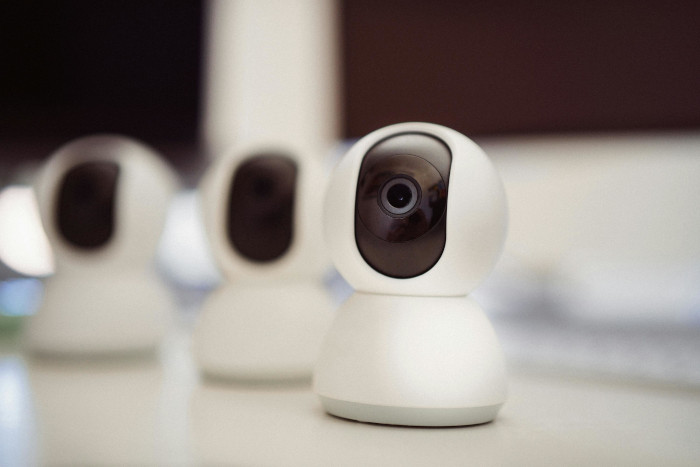
For DVR systems, each channel is used for one camera. This means an 8-channel DVR can support up to 8 cameras. The more channels it has, the higher the cost.
Adding more cameras to a DVR can be expensive because each one needs its own connection on the recorder, which makes it harder to expand later.
NVR systems are more flexible. They can use Power over Ethernet (PoE), which allows both power and data to run through one cable. With the help of a PoE switch, an NVR can sometimes support more cameras than it has ports. For example, an 8-channel NVR may be able to handle up to 10 cameras, making it easier and more cost-effective to expand.
Supported Analytics
More advanced features usually cost more.
This is because smart tools, like Intelligent Video Surveillance (IVS), need more processing power to work properly. Higher-end NVRs can handle this better and often come with more advanced and useful features.
Storage
The cost of storage depends on how big a hard drive you need and how much data your system uses.
The amount of data (bandwidth) depends on the video quality. In general, higher quality video uses more data and needs more storage space.
Installaters Fees And Labour Costs
Installing a CCTV system includes different costs for work and setup, which can affect your total budget.
First, there is the installation cost. This is usually about $200 to $500 per camera, depending on how difficult the job is and where the cameras are placed. If you hire a professional, labour may cost around $100 to $200 per hour.
You may also need to pay extra for things like cables, mounting parts, and permits. If the job is more complex, such as running cables through walls or ceilings, the cost can be higher.
It is a good idea to ask for a detailed quote before starting, so you know exactly what to expect and can plan your budget properly.
Budgeting For Your CCTV System
To set a realistic budget for your CCTV system, start by thinking about what you need. Decide how many cameras you want and which areas you need to watch.
Look at different types of cameras. Some have better quality and more features, but they cost more.
Next, include installation costs. Whether you hire a professional or do it yourself, this will affect your budget.
Also remember ongoing costs, like cloud storage or maintenance.
Try to find a good balance between price and quality. It is often worth paying a bit more for a system that is reliable and meets your security needs.
Conclusion
In conclusion, when planning CCTV for your home in Brisbane, it is important to think about both the equipment and installation costs. Depending on what you need, you might spend around $200 to over $500 per camera, plus installation fees.
By learning about the different system types and planning your budget, you can make a smart choice for your home security. It is also a good idea to get quotes from professionals so you can find the best option for your setup.
When it comes to protecting your home or business, it is important to choose a system you can trust.
With ALLEC Electrical Solutions, you can work with a trusted CCTV installer who can create a system that suits your needs and covers all key areas.
Protect your property with confidence, knowing you have chosen a system designed to keep you safe and easy to use.

FAQ
How Long Does A Security Cameras Installation Typically Take With Professional Installation?
A typical CCTV installation usually takes about four to eight hours. The time can change depending on how many cameras you have and how complex the job is.
It is important to set everything up correctly so the cameras cover the right areas and work properly.
What Factors Impact The Installation Cost?
Several things can affect the installation cost. This includes how many cameras you need, the type of cameras, the size of your property, and whether they are installed inside or outside.
Extra features, like being able to view cameras on your phone or connecting to other security systems, can also increase the cost.
Is A Wireless Security Camera Cheaper To Install?
Yes, they are often cheaper to install because they do not need as much wiring.