
16 Tips On How To Prepare Your Home For Winter In QLD [2026]
As the days get shorter and the mornings get colder, it’s a good time to get your home ready for winter. These simple tips can help keep your house warm and comfortable, while also helping you use less energy and save money on power bills.
6 Winter Prep Tips For Energy Efficiency
The average home uses about 38% of its energy to stay warm in winter and cool in summer. To get your house ready for the colder months, there are several simple steps you can take, including checking your heating system, storing loose items outdoors, and securing areas where cold air can enter. These easy changes can improve home energy efficiency by keeping cold air outside and warm air inside.
1. Get Your House Ready And Install A Heating System
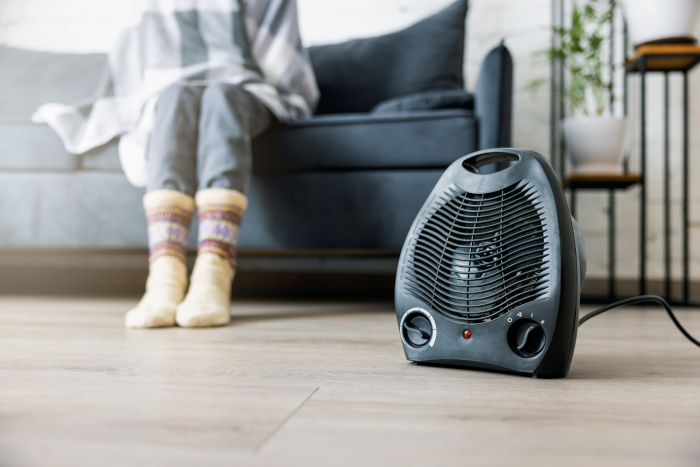
Heaters can be dangerous if they are not used safely. Follow these simple tips to help keep your family safe:
- Never leave a heater running without an adult watching it, especially if children or pets are nearby.
- Keep portable heaters away from things that can catch fire, such as curtains, blankets, paper, and fuel.
- Do not plug heaters into power boards, double adaptors, or extension cords with other appliances, as this can cause overheating and start a fire.
- Check the power cord and plug before using the heater. Do not use it if they are damaged.
- Have your heater checked and serviced regularly by following the instructions from the manufacturer.
- Always hire a licensed professional to install a heating system.
2. Air Conditioning Unit Maintenance
Cleaning your air conditioner and keeping it in good condition helps it heat your home better, use less energy, and run more quietly during winter.
Regular maintenance can also help your air conditioner last longer. The three main parts that should be checked and cleaned are:
- The filter
- The evaporator coil
- The condenser coil
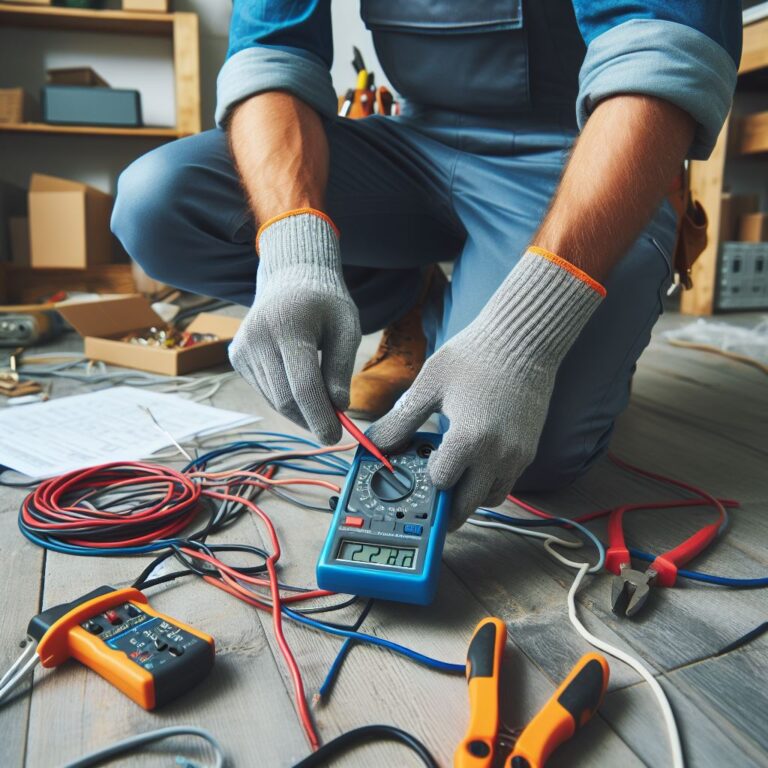
A dirty filter can block airflow and make the air conditioner work much harder than it needs to. To keep it running properly, it should also be serviced by a qualified electrician at least once a year.
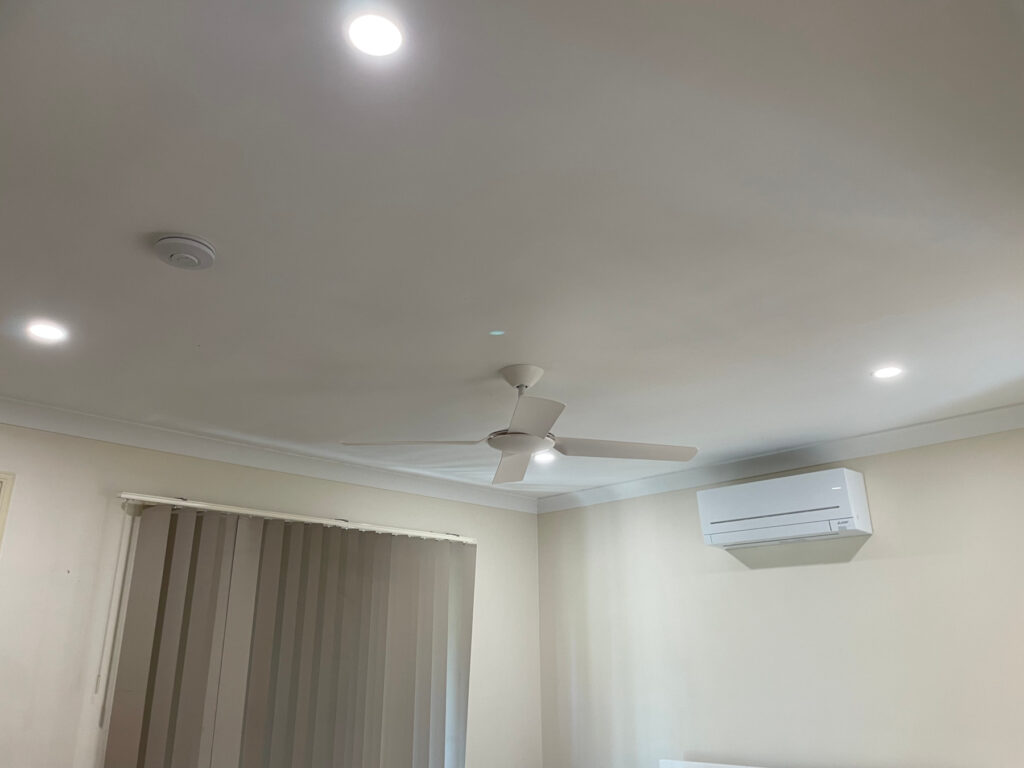
3. Switch Fan To Winter Mode
Many ceiling fans have a winter mode that changes the direction the blades spin. In summer, the fan pushes cool air down into the room.
In winter mode, the fan helps move warm air that has risen to the ceiling back down around the room. This helps spread warmth more evenly throughout your home during the winter season.
Using your ceiling fan together with your heater, fireplace, or air conditioner can help keep rooms warmer for longer, improving home safety and comfort during cold winter weather.
Because the warm air is distributed more effectively, you may not need to run your heating system as often or on a high setting, which can help lower energy bills and improve energy efficiency.
4. Switch To LEDs
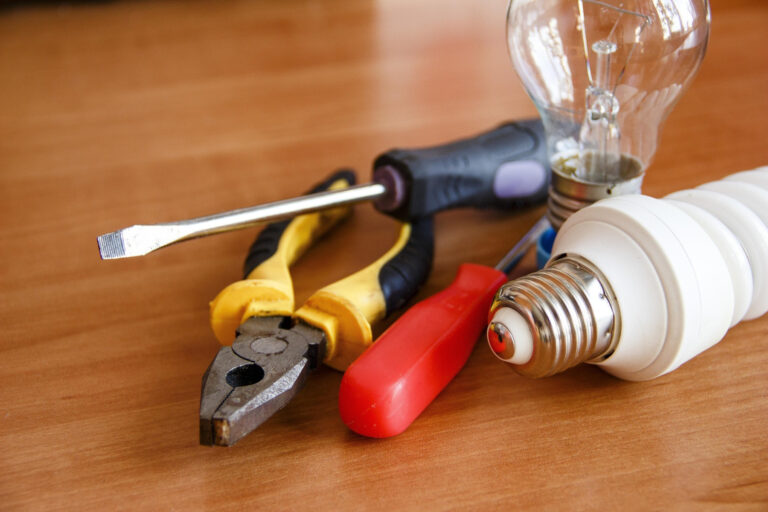
LED light bulbs use about 75% less electricity than older types of light bulbs, such as halogen and incandescent bulbs. They can also last up to 10 times longer.
This is because LEDs turn most of their energy into light instead of wasting it as heat, making them a more energy-efficient choice for your home.
5. Install Solar Power
Solar panels can help lower your electricity bills and are better for the environment. They do not need a lot of maintenance and may even increase the value of your home.
The Australian Government has a program called the Small-scale Renewable Energy Scheme (SRES), which may help reduce the cost of installing solar panels on your home or business.
The Solar Consumer Guide offers free, easy-to-understand advice about solar panels and batteries. It can help you choose the right system, look after it properly, and save more money over time.
The guide also explains how to find a trusted solar installer and what questions to ask when getting quotes. Visit the Solar Consumer Guide to learn more.
6. Install A Battery
A solar battery stores extra electricity made by your solar panels. You can use this stored power at night, on cloudy days, or when electricity prices are higher.
From 1 July 2025, the Australian Government’s Cheaper Home Batteries Program may help reduce the cost of installing an eligible battery by about 30%.
If you are thinking about getting solar panels or a battery, the Solar Consumer Guide has free information about the costs, benefits, and how to choose the right system for your home. It can help you understand how solar batteries work and how much money they could save you.
5 Simple Home Maintenance Tips For Winter Weather
You don’t have to be cold this winter. These simple changes can help keep your home warmer, use less energy, and reduce your heating bills.
1. Invest In Winter Bedding
Before winter starts, check your linen cupboard to see what warm bedding you already have. Flannelette sheets are a great way to stay warm when the nights get colder.
If you live in a colder area, electric blankets and heated throws can be a good choice. They cost less to run than most heaters because they warm up your bed or blanket instead of heating the whole room.
Using an electric blanket can help you stay cosy and may save you money on your energy bills during winter.
2 Clean And Store Garden Furniture
Outdoor furniture is often used a lot during summer but less during winter. Before the colder months arrive, it is a good idea to decide whether to clean and store your outdoor furniture to help it last longer.
If you have enough storage space, putting furniture and cushions away can protect them from rain, cold weather, and wear. If you do not have storage space, you can still take a few simple steps to look after them.
At the very least, store outdoor cushions indoors so they do not get damaged over winter. If your furniture is designed for all weather conditions, you may not need to do anything.
You can also:
- Clean barbecues and other outdoor cooking equipment.
- Wash outdoor furniture and covers with a pressure cleaner if needed.
- Check cushions and other fabric items for mould or mildew before storing them away.
3. Mold And Mildew
During winter, cold, dark, and damp areas can make mold and mildew grow more easily. Mold can be bad for your health and may also damage your home.
Pay special attention to places like bathrooms and wardrobes. Clean these areas regularly with a cleaning product or a homemade cleaner to help stop mold from growing.
You can also use moisture absorbers around your home to reduce dampness and help prevent mold and mildew.
Another area people often forget to clean is the bathroom exhaust fan. Over time, dust and dirt build up on the fan blades, vents, and filters. Cleaning the fan helps it work properly, remove moisture from the air, and reduce the chance of mold growing in your bathroom.
4. Let The Sun Shine In
Make the most of the sun’s free warmth during winter. Open your curtains during the day to let sunlight warm your home, then close them before it gets dark to help keep the heat inside.

5. Shut The Door On Wasted Energy
Heating your whole house can use a lot of energy and cost more money. To help keep heating costs down, close the doors to rooms you are not using, such as bathrooms or bedrooms during the day.
You can also place a draft snake under doors to stop warm air from escaping and cold air from coming inside.
Don’t forget to clean your heaters regularly. Dust can build up on filters, fan blades, and vents, making heaters less effective. Follow the manufacturer’s instructions to help your heater work safely and efficiently.
5 Tips To Prepare Your Home For Winter Safety
Some winter home maintenance jobs are easy to do yourself, while others are safer and better left to a professional.
1. Carbon Monoxide Safety
Carbon monoxide is a dangerous gas that you cannot see, smell, or taste. Because it is so hard to detect, it is sometimes called the “silent killer.” It can be produced when gas appliances are not working properly.
To stay safe, make sure gas heaters are installed and serviced regularly by a licensed gas fitter. Ask for a certificate of compliance after any installation work. It is also important to make sure the room has enough fresh air so dangerous gases do not build up.
Never use outdoor heaters inside your home. They can release harmful gases and increase the risk of fire.
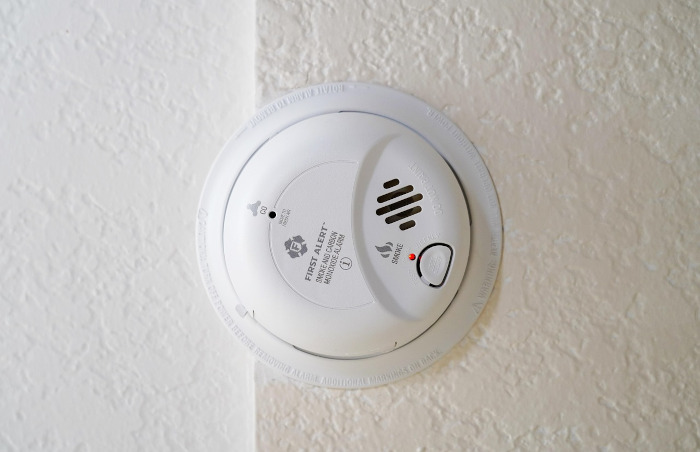
Winter is also a good time to test your smoke alarms and carbon monoxide detectors. Replace the batteries if needed and gently clean away any dust. It only takes a few minutes and can help keep your family safe.
2. Be Fire Ready
A fire can spread through a home in just a few minutes, so it is important to take some simple steps to help keep your family safe.
- Check that your smoke alarms are working properly. Replace the batteries or the alarm if needed.
- Make sure everyone in your household knows how to leave the house safely in an emergency.
- Clear leaves and other debris from your roof and gutters.
- Trim back trees and plants that are close to your home.
- Have fireplaces, chimneys, and flues cleaned and maintained regularly.
- Use a fire screen in front of open fireplaces.
- Keep heaters at least one metre away from furniture, curtains, bedding, and other items.
- Store electric blankets by rolling them rather than folding them, and check them for damage before use.
The Queensland Government’s Fire Safety Checklist provides additional advice to help prepare your home for winter.
It is also a good idea to keep your home and garden well maintained throughout the year. Fire risk can vary depending on where you live, so check weather forecasts, warnings, and fire conditions from the Bureau of Meteorology (BOM) to stay informed about conditions in your area.
3. Avoid Overloading Outlets
With more electrical appliances being used during winter, it can be easy to overload power points. This can be dangerous and increase the risk of a fire.
Try to plug only one high-power appliance, such as a heater, into a power point at a time.
If you need to plug in several devices, use a power board with built-in safety protection. However, never plug one power board into another, as this can overload the electrical circuit.
4. Unplug Unused Appliances
Unplugging appliances when you are not using them can help save electricity and reduce the risk of electrical fires.
Even when switched off, some appliances can still use a small amount of power. In rare cases, damaged plugs or power points can overheat and become a safety risk.
To stay safe and save energy, get into the habit of unplugging appliances when they are not being used. Also check power points and plugs for signs of damage, such as cracks or wear.
5. Fix Small Electrical Issues Before They Become Bigger Problems
Winter is often when small problems around the house become more noticeable. A dripping tap, leaking mixer, low water pressure, old power point, or switchboard issue may not seem like a big problem at first, but they can become more annoying when your family spends more time indoors.
Fixing these problems early can make your home safer, more comfortable, and help you avoid bigger and more expensive repairs later.
If you live in an older home, winter is also a good time to arrange an electrical safety check and make sure your switchboard is working properly.
Stay Warm This Winter With Allec Electrical Solutions
Staying safe this winter can be simple.
By following these easy electrical safety tips, you can help keep your home warm, safe, and energy-efficient throughout the colder months.
If you need help with electrical repairs, maintenance, or a safety inspection, the team at Allec Electrical Solutions is here to help. Call ALLEC on 0481 134 311 or book a job online to make sure your home is ready for winter.