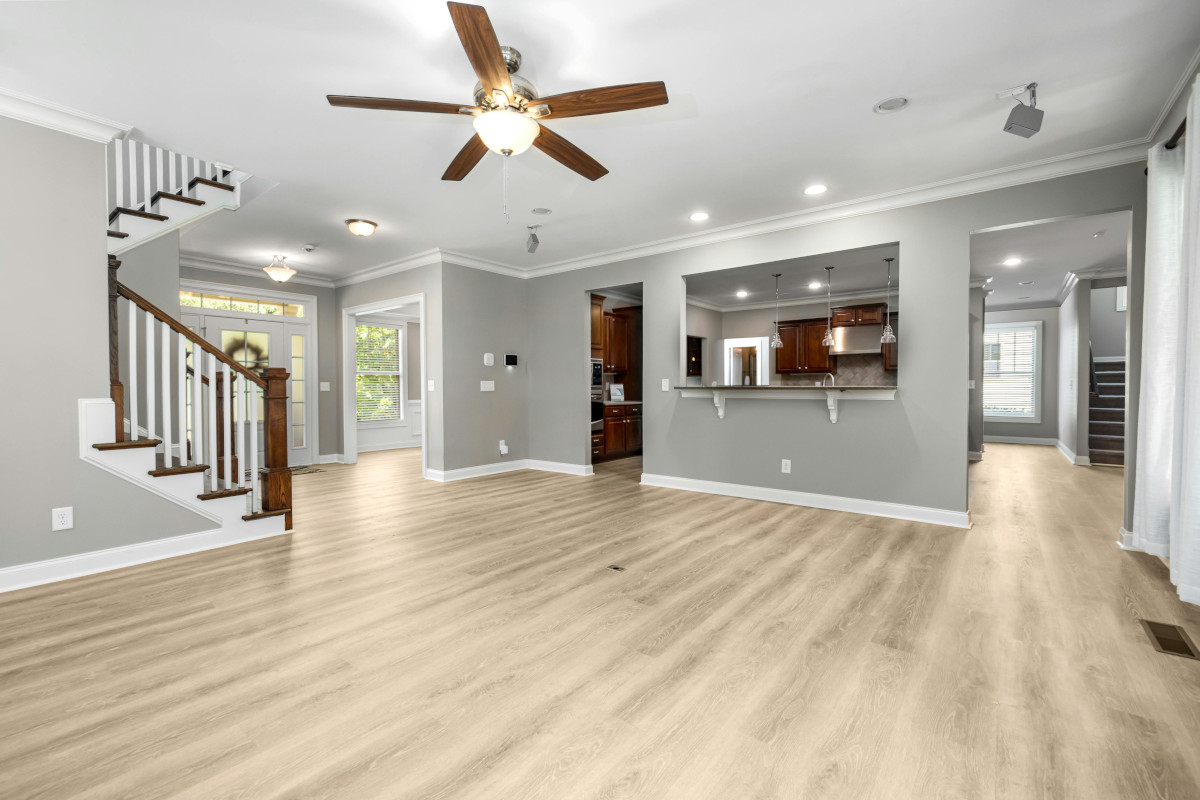
How Much Does A Ceiling Fan Installation Cost [2026]?
Putting in a ceiling fan usually costs between $300 and $700. The price can change based on what kind of fan you choose, how hard it is to install, and how much the electrician charges.
If you’re thinking about getting a ceiling fan, it helps to know the cost first. Ceiling fans can keep your home cool and also make rooms look nicer. This guide will explain the usual prices and what can make them go up or down.
Why Ceiling Fans Are Still A Must Have
Ceiling fans are one of the best and cheapest ways to stay cool, especially with today’s warm weather. Unlike air conditioners, fans move the air around, which helps rooms feel cooler and fresher while using less electricity. Many homes use ceiling fans together with air conditioners to stay comfortable without paying high power bills.
Ceiling Fan Installation Cost Overview
| Installation Type | Estimated Cost (AUD) |
| Basic ceiling fan installation (existing wiring) | $120 – $250 |
| Ceiling fan installation with new wiring | $200 – $450 |
| Ceiling fan with light installation | $150 – $350 |
| Replacement of an old ceiling fan | $100 – $250 |
| Smart ceiling fan installation | $250 – $600 |
| Outdoor ceiling fan installation | $250 – $500 |
| Ceiling fan installation in apartments (complex wiring) | $300 – $700 |
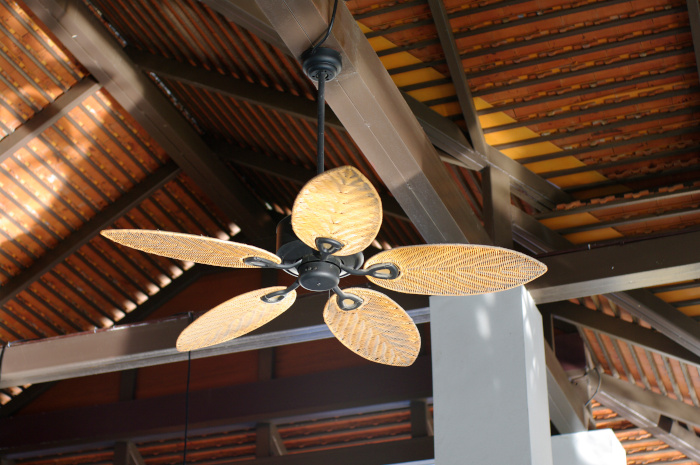
What’s The Cost For Outdoor Ceiling Fans?
An electrician’s hourly rate is how much they charge for one hour of work. This usually covers their time and sometimes small materials. But this isn’t always the full cost of installing a ceiling fan. Extra costs can be added, like a call-out fee, special tools, or permits.
Because installing a ceiling fan can be a technical job, the total professional cost can be $450 to $1,000 or more, depending on how much work is needed, such as:
IP-Rated Fittings
An IP rating tells you how well an electrical item is protected from dust and water. It is an international system that shows how safe something is if dirt or water gets near it.
Get The Job Done RightWeatherproofing
Outdoor ceiling fans need special weather protection so they don’t get damaged by rain, wind, or other outdoor weather.
Mounting Challenges
Outdoor ceilings are often made from different and stronger materials than indoor ceilings. Because of this, changes may be needed so the ceiling can safely hold the ceiling fan.
Additional Wiring
Putting in an outdoor ceiling fan may need extra wiring, which means the job could take more time.
Factors That Affect Ceiling Fan Installation Costs
There are a few things that can change how much it costs to install a fan in Australia.
1. Wiring Condition
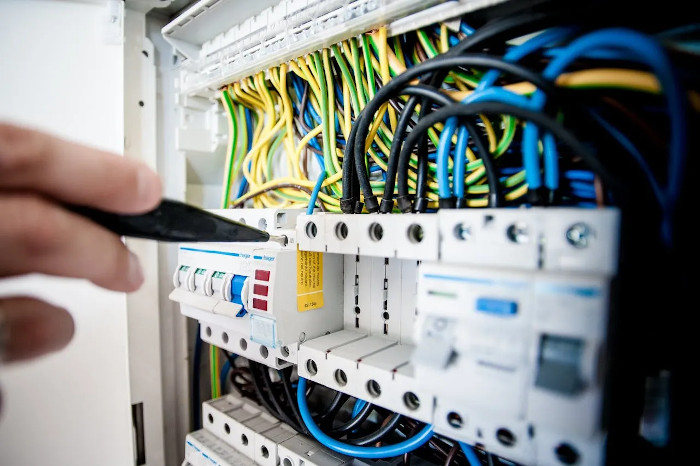
If you’re putting a ceiling fan in a new spot, it may cost more because new wiring might be needed. If there is already wiring in place and it’s still safe, the cost can be lower. That’s why it’s important to hire a licensed electrician to check the wiring first. They can help stop problems like short circuits and fix issues safely.
2. Ceiling Height
Most ceilings are about 2.4 metres high. If your ceiling is very high or slanted, installing a ceiling fan can cost more because electricians may need special equipment or extra help to do the job safely.
3. Fan Weight And Size
Very large or heavy ceiling fans may need extra support to hold them safely. This can mean checking the ceiling or adding stronger mounts, which can make the installation cost more.
4. Fan Features
Smart ceiling fans that use Wi-Fi, apps, or other technology are more complex to install. They often need an electrician with both electrical and IT skills, which can make the installation cost higher.
Get A Free QuoteWhat Are The Differences Between AC And DC Fans?
AC and DC fans both turn electricity into cool air, but they do it in slightly different ways. The differences aren’t huge, but there are a few things that might matter to you.
You might choose a DC fan because:
- It uses less electricity
- It is quieter when it’s running
- It responds faster when you change the speed
An AC fan might be better because:
- It usually costs less to buy
- It can be controlled by a remote or a wall switch
Remote controls are handy because you can turn the fan on while relaxing in bed or on the couch. But if you have young kids or often lose the remote, a wall switch can be easier to use when you just want to cool the house quickly.
DIY VS Professional Installation
When you compare doing it yourself (DIY) to hiring a professional electrician, it helps to know how electricians charge. Some electricians charge by the hour, while others charge one set price for the whole job.
Small jobs are often charged by the hour, but the price can change depending on the work. Bigger or more complicated jobs usually have a total price given upfront. Hiring a professional can cost more than DIY, but it means the job is done safely and correctly.
Pricing
Licensed electricians charge fair prices for their work. Their job is checked by the government, which helps make sure the work is done properly and safely. Even though hiring a professional can cost more, it helps keep you and your home safe.
Installing a ceiling fan yourself may save money, but it can be dangerous and could put you and your home at risk if something goes wrong.
Safety
Licensed electricians follow safety rules when installing a ceiling fan. They make sure the wiring and power are correct and can connect extras like lights or smart features. They can also fix problems if needed and often spot issues before they become serious. That’s why it’s a good idea to follow their advice.
Legality
In Australia, electricians must have a licence to do electrical work. They check that everything is safe and give a safety certificate when the job is finished.
Some electricians get extra licences so they can do special jobs, like working with high-voltage power, solar panels and batteries, data and internet cables, or installing air conditioners.
Final Thoughts: Choosing The Right Ceiling Fan Installation Service In Australia
To make sure your ceiling fan is installed safely, works well, and doesn’t cost too much, follow these tips:
- Compare prices: Ask at least three licensed electricians for quotes.
- Pick the right fan: Energy-saving DC fans can save money over time.
- Check the warranty: Make sure the fan has a warranty of 2 to 7 years.
- Hire a licensed electrician: Don’t try to install it yourself, as it can be unsafe.
If you need a ceiling fan installed in the Ipswich area, Allec offers fast, professional, and affordable service.
Get a free quote today and book your ceiling fan installation with a trusted Queensland electrician.

FAQ
Can I Install Ceiling Fans Myself?
No. In Australia, a licensed electrician must install ceiling fans. Doing it yourself is unsafe and against the law.
Do Ceiling Fans Save Money On Energy Bills?
Yes. Ceiling fans use less electricity than air conditioners and help rooms feel cooler.
How Long Does Installation Take?
Most ceiling fans can be installed in less than an hour. Harder jobs that need extra wiring can take longer.
What Kind Of Ceiling Fan Is Suitable For The Room?
Picking the right ceiling fan means thinking about a few important things. This includes how big the room is, how high the ceiling is, the fan’s style, how well the motor works, how much electricity it uses, and any extra features.
When you choose the right fan, it will work better and make the room feel nicer. It’s also a good idea to hire a professional installer so the fan is put in safely and correctly.
Why Is My Ceiling Fan Wobbling?
A ceiling fan wobbles when the blades are not balanced, screws are loose, or the fan isn’t attached properly to the ceiling. A professional can fix this by balancing the blades and tightening everything so the fan runs smoothly.
Do Outdoor Fans Cost More?
Yes, outdoor ceiling fans usually cost more because they need special weather protection and are harder to install.