Electrical Fitter VS Electrician
An electrician is a qualified tradesperson who installs, maintains, and repairs electrical systems. An electrical fitter holds a higher level of training compared to other electrical workers, such as general electricians, electrical mechanics, or installers.
Electricians and electrical fitters must have a strong understanding of the Australian Electrical Code and other relevant safety regulations.
In Australia, there are 6 different types of electrical licences. But today, we’re only going to talk about two of them.
While the terms “electrician” and “electrical fitter” are sometimes used interchangeably, they refer to different roles. Electricians are typically licensed to perform a wide range of electrical work in residential settings. Electrical fitters, on the other hand, are generally trained to work in more specialised or industrial environments.
What Is An Electrician?
An electrician is a qualified tradesperson who installs and maintains electrical systems and equipment. They work in homes as well as commercial and industrial buildings, and they’re trained to handle all kinds of electrical wiring and fittings.
So what does it take to become one? To work as an electrician in Australia, you need the right licence and formal qualifications, plus hands-on experience gained through an apprenticeship.
What Does An Electrician Do?
Electricians are trained to handle a wide range of everyday electrical jobs around homes and businesses. This includes planning wiring layouts, carrying out routine maintenance, and finding and fixing faults in electrical systems.
In other words, they design, install, test, repair and maintain electrical systems. They’re qualified to work on all sorts of fixtures and components, such as light fittings, ceiling fans, fridges, switchboards and power points.
In recent years, their work has also grown to include installing solar panels and devices that control when your hot water system runs.
Electricians may also:
- Install and modify overhead power lines
- Install wiring in new or existing buildings
- Repair or replace electrical equipment as needed
What Is An Electrical Fitter?
An electrical fitter is a qualified tradesperson who specialises in assembling, installing and maintaining electrical equipment and systems. Typically, they work in industrial, manufacturing or large-scale infrastructure settings rather than in homes.
What Can An Electrical Fitter Do?
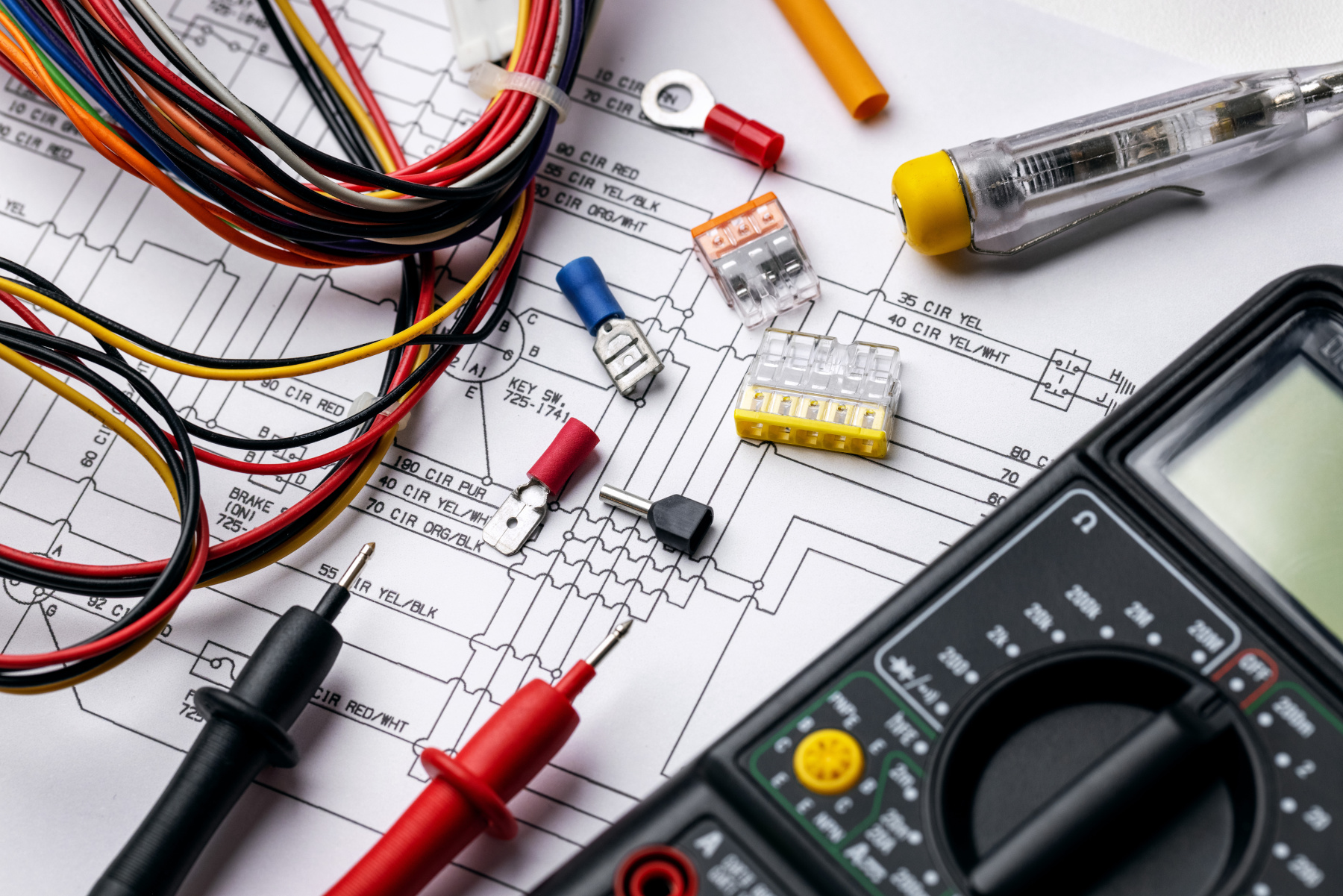
Electrical fitters take care of a range of technical tasks involving electrical equipment and systems. At a most basic level, they read and interpret electrical diagrams, assemble and install electrical machinery, and test systems to make sure they run safely and efficiently.
They also carry out routine maintenance, track down faults and make repairs. This keeps downtime to a minimum and helps equipment keep performing the way it should.
Typical tasks for an electrical fitter may include:
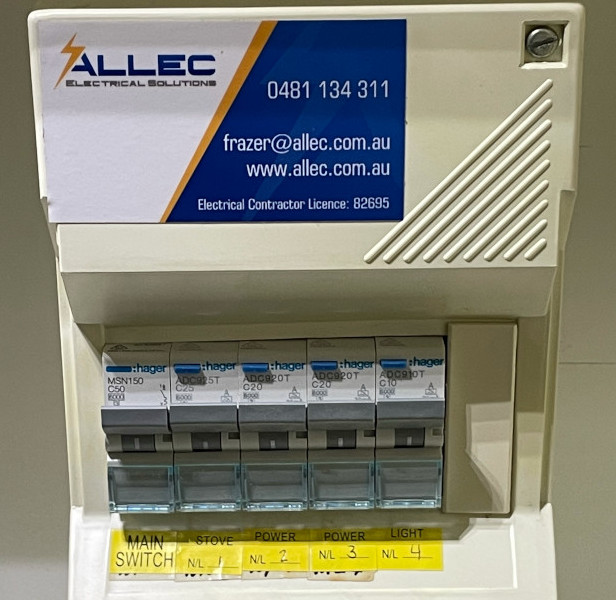
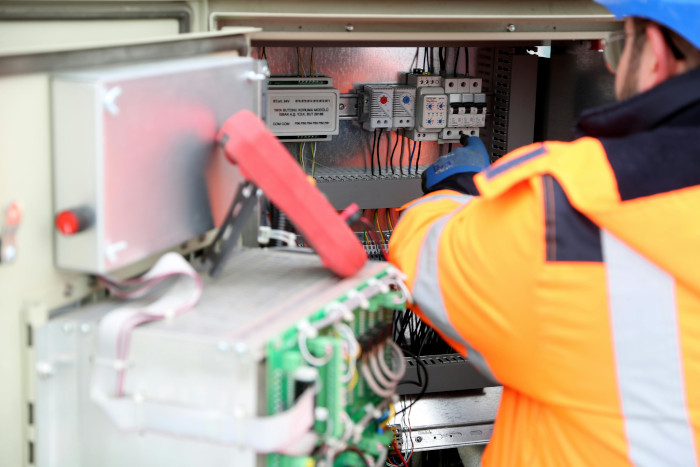
- Installing and maintaining switchboards, control panels and distribution boards
- Installing and servicing motors and generators
- Connecting and testing electrical wiring and cabling
- Working with automation technology and PLCs (programmable logic controllers – small industrial computers that control machinery)
A Queensland electrical fitter licence permits individuals to carry out work such as:
- Rewinding and repairing electric motors
- Assembling and maintaining switchboards
- Repairing and servicing electrical equipment
Do I Need An Electrical Fitter Or An Electrician?
While it can be difficult to determine exactly which type of tradesperson is required without knowing the specifics of the job, an informed choice can often be made based on the setting and scope of the work.
For most residential electrical repairs and installations, a licensed general electrician is typically the appropriate choice. They are trained to handle common household electrical needs, including lighting, power points, and small appliance installations.
However, for more complex systems or larger electrical equipment, especially in industrial or commercial environments, an electrical fitter may be required. Electrical fitters are specialised in working with complex machinery, larger electrical systems, and installations commonly found in factories or large facilities. Their advanced training and equipment make them better suited to handle the demands of such environments.
Hiring A Professional To Do Electrical Work
If you’re not sure which type of electrical tradesperson you need, don’t worry. A qualified professional should be able to tell you whether they can do the job or point you to someone who can.
In most cases, the best thing to do is start by contacting a licensed electrician in your area.

IMPORTANT: In Queensland, it is illegal to perform your own electrical work.
All electrical work must be carried out by appropriately qualified and licensed individuals. While licensing requirements may vary slightly between states, all electricians in Australia must hold a valid electrical licence. Any apprentices working on your property must be properly supervised at all times.
Upon completion of the work, a licensed electrician must issue an electrical certificate to confirm the job meets the required safety and compliance standards for your state.