5 Bathroom Lighting Ideas (2026)
Combining style and practical use can be challenging, but there is a wide range of bathroom lighting ideas to suit your budget. Explore options such as pendant lighting or a stylish wall light to create a comfortable space that feels refreshing in the morning and relaxing before bed.
Why Bathroom Lighting Matters More Than You Think
The right bathroom lighting does more than improve visibility. It can make everyday tasks, such as shaving, applying makeup and getting ready, easier while creating a calm and comfortable atmosphere that complements your interior.
Poor lighting can make a bathroom less practical. Harsh downlights may create unwanted shadows, while dim lighting can make grooming difficult. Fixtures placed incorrectly near water, including lights near a towel rail, can also create safety risks.
This guide explains how to avoid these common issues and plan your bathroom lighting effectively. It covers the three main layers of lighting, energy-efficient options and contemporary designs, including brushed brass fixtures. You will also learn how to choose lights with suitable IP safety ratings for wet areas.
Mastering The Three Layers Of Bathroom Lighting
Effective bathroom lighting uses three main layers: task, ambient and accent lighting. Combining these types creates a bathroom that looks balanced and works well for everyday use.
#1. Task Lighting: Where Precision Matters
Task lighting provides clear, focused light in important areas, such as around the mirror, vanity and sink. It makes everyday activities like shaving, applying makeup and personal grooming easier.
Top Picks For Task Lighting:
- Place vertical wall lights on both sides of the mirror, about 165–178 cm above the floor.
- Choose LED vanity lights with a Colour Rendering Index (CRI) of at least 90. This helps skin tones and colours look more natural.
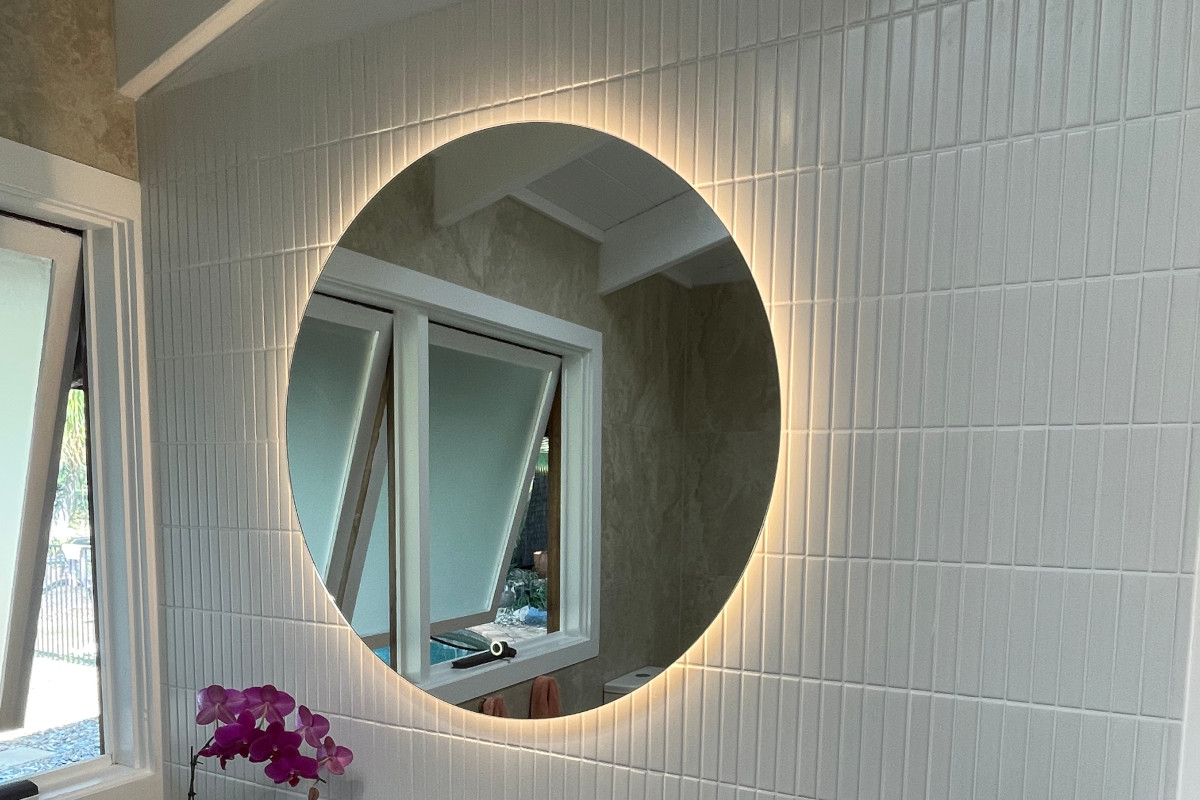
- Consider a backlit mirror to provide useful lighting while adding a stylish feature.
Tip: For shaving, applying makeup and other grooming tasks, choose a neutral white light between 3000K and 3500K. It is similar to natural daylight and helps your features appear clear and natural.
#2. Ambient Lighting: The Foundation Of Comfort
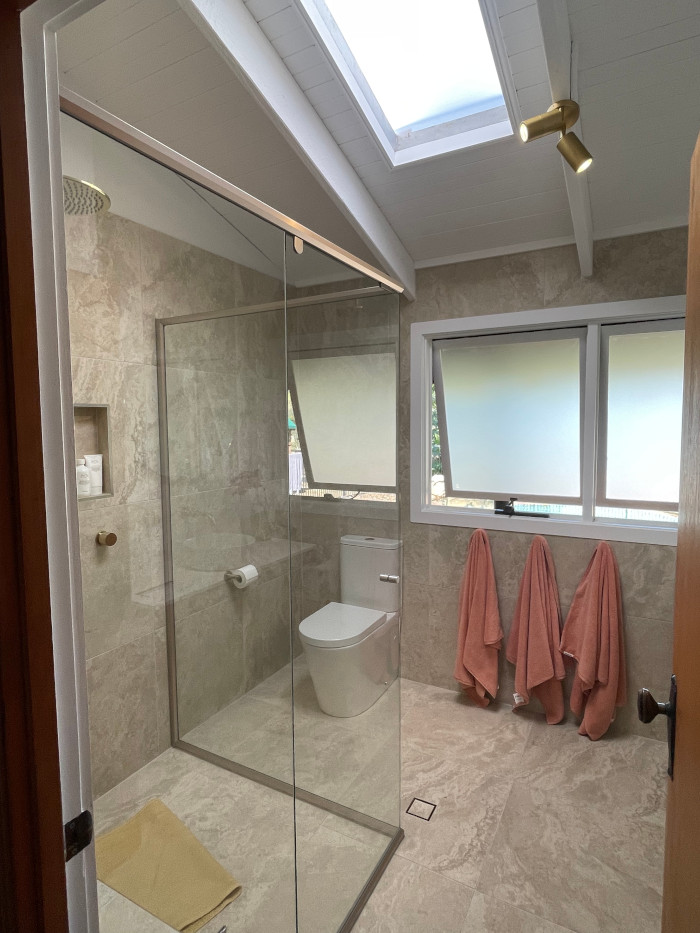
Ambient lighting is the main light that brightens the entire bathroom and helps create its overall feel. It should provide enough light to move around safely and comfortably, especially at night.
Great Ambient Lighting Options:
- Recessed downlights can create a clean, modern look.
- Flush or semi-flush ceiling lights help spread light evenly across the bathroom.
- Oyster lights and LED ceiling panels provide wide coverage while using less energy.
Expert tip: Choose lights with frosted glass or a diffuser to reduce glare and harsh shadows. A dimmer switch lets you use bright light in the morning and softer light in the evening.
#3. Accent Lighting: Style With Purpose
Accent lighting adds style, interest and a more luxurious feel to your bathroom. These decorative lights are the finishing touches that make the space look more attractive while supporting the main lighting.
Popular Accent Options Include:
- Pendant lights above a vanity or bathtub can create a stylish focal point.
- LED strip lights under a floating vanity or behind a mirror can provide a soft glow.
- Decorative fixtures, such as globe lights or small chandeliers, can add character to the bathroom.
Professional tip: Always check a light’s IP rating before installing it near water. Lights used in wet areas, such as near a bath or inside a shower, should have a suitable safety rating, such as IPX4 or higher.
Small Bathroom Lights Ideas
Small bathrooms can still be stylish and practical with carefully planned lighting. The right fixtures can make the room feel more spacious while providing enough light for everyday use. Eye-level lighting can brighten the space without adding unnecessary clutter, while adjustable fixtures allow light to be directed where it is needed.
As space may be limited, task and ambient lighting should be the main priorities. Multi-purpose fixtures can provide several lighting functions in one design, while wall lights and pendant lights can add soft, comfortable illumination.
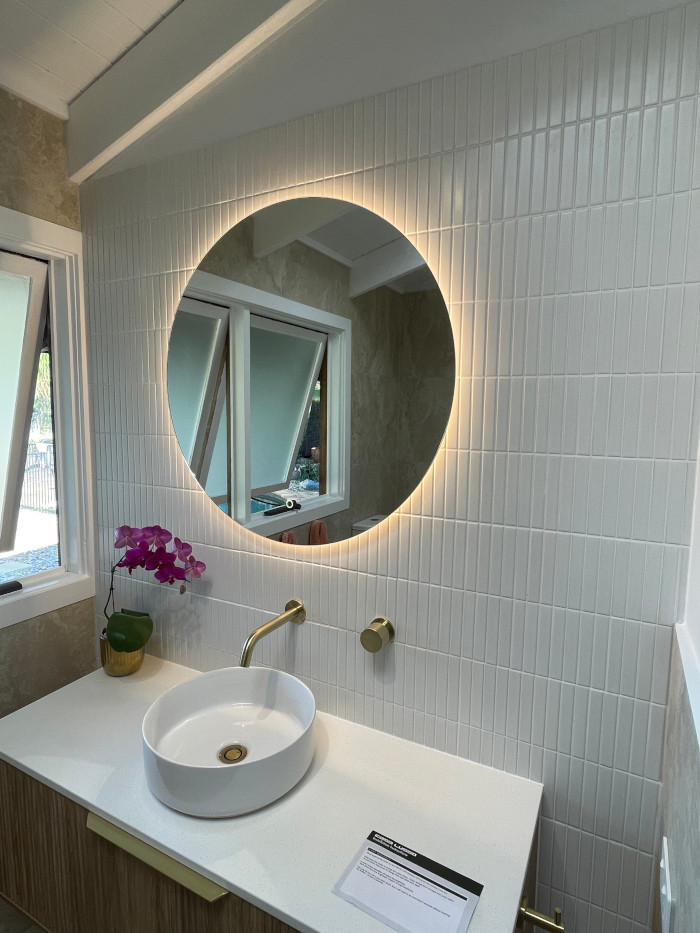
Best Practices For Perfect Vanity Lighting
A common bathroom lighting mistake is using only a ceiling light above the vanity. This can create harsh shadows and make your reflection look uneven, which can make shaving, applying makeup and other grooming tasks more difficult.
For better vanity lighting, follow these professional tips:
#1. Place Lights At Face Level
Install wall lights on both sides of the mirror, about 165 to 178 cm above the floor. This spreads light evenly across your face and reduces shadows under your eyes and nose.
#2. Choose Fixtures With High CRI
The Colour Rendering Index (CRI) measures how accurately a light source shows colours. Choosing bathroom lighting with a CRI of 90 or higher can help makeup, skin tones and small details appear more natural. This is particularly important in bathrooms with limited natural light.
#3. Avoid Harsh Overhead Lighting
Using only overhead lighting can create harsh shadows and make wrinkles appear more noticeable. For more even lighting, add wall lights beside the mirror or fixtures that shine towards your face. If ceiling lights are needed, choose diffused fixtures and combine them with lighting at face level.
#4. Use Dimmable Fixtures
Vanity lighting should suit different times of the day. Bright light can help you feel more alert in the morning, while softer light can create a relaxing atmosphere at night. Installing a dimmer switch makes it easy to adjust the brightness when needed.
Professional tip: Combine warm white light between 2700K and 3000K with neutral white light around 3500K for a balanced and natural look. Avoid cool white light above 4000K, as it can make the bathroom feel harsh and clinical.
Lighting Tips That Make Small Bathrooms Feel Bigger And Brighter
#1. Use Adjustable Wall-Mounted Fixtures
Instead of using large ceiling lights, consider adjustable wall lights or swing-arm lamps. They keep the ceiling clear and allow you to direct light where it is needed for everyday tasks or a more relaxed atmosphere.
Additional tip: Choose slim wall lights or fixtures with heads that can point in different directions. They provide flexible lighting without taking up too much wall space.
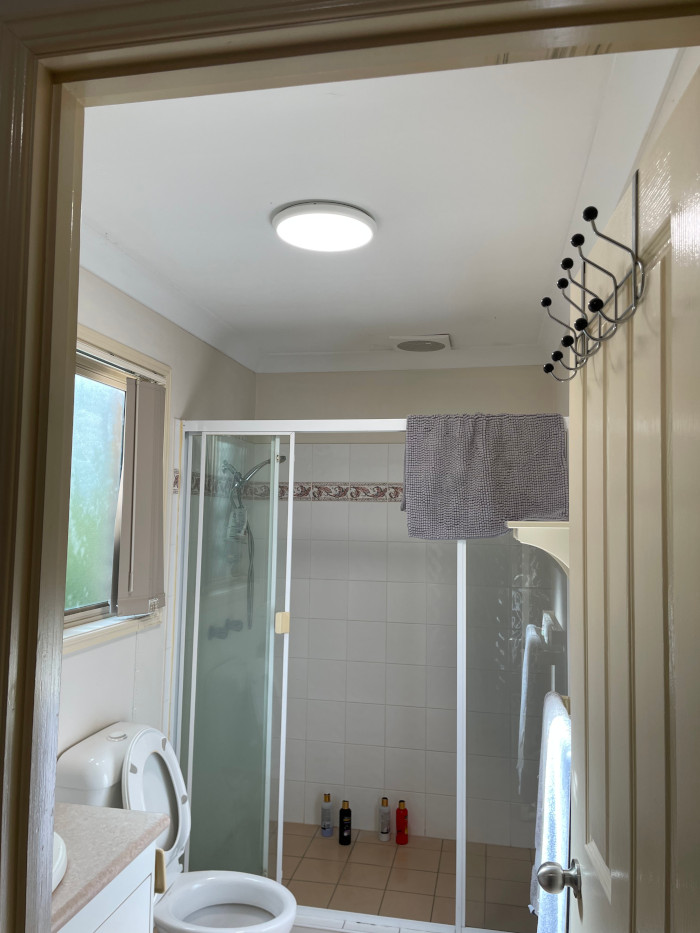
#2. Install LED Strip Lighting In Unexpected Places
LED strip lights are a practical option for small bathrooms because they provide extra light without taking up much space. They can be installed:
- Under the vanity to create a soft glow near the floor
- Behind the mirror to create a gentle halo effect
- Along floating shelves to highlight decorations or bathroom products
These small lighting details can make the bathroom feel warmer and more inviting without making it look crowded.
#5. Choose Multi-Function Fixtures
In a small bathroom where space is limited, consider a three-in-one unit that combines a light, exhaust fan and heater. It can improve lighting, warmth and airflow without adding extra fixtures or clutter.
#6. Use Glass And Reflective Surfaces
Bathroom lighting works even better when combined with materials that reflect light, such as:
- Glossy tiles
- Glass shower screens
- Chrome or polished nickel fixtures
These surfaces help spread light around the bathroom, making dark areas feel brighter.
#7. Go Vertical With Pendant Lights
If wall space is limited, consider hanging small pendant lights from the ceiling at different heights. This can draw attention upwards and make the room feel taller, which works well in narrow powder rooms or small ensuites.
Popular Smart Bathroom Lighting Features
- Voice controls: Turn your vanity lights on or off using your voice. This can be helpful when getting ready in the morning or using the bathroom at night.
- Motion sensors and automatic dimming: Motion-activated lights can provide a soft glow when someone enters the bathroom. They can improve safety, save energy and be useful for children and older people.
- Adjustable white and coloured LED lights: Change the lighting to suit the activity. Warm white light can create a relaxing atmosphere, while neutral white light is helpful for shaving or applying makeup.
- Smart home connection: Connect your bathroom lights to your smart home system. This allows you to create routines, control several lights together and reduce energy use when nobody is home.
Best Practices For Installing Smart Bathroom Lighting
- Choose smart lights with a suitable IP rating for safe use near water.
- Use separate controls for task, ambient and accent lighting so each type can be adjusted as needed.
- Select dimmable smart LED lights that work with your voice assistant or smart home system.
- Plan lighting around important areas, such as the mirror, shower and vanity, to improve comfort and everyday use.
Final Thoughts: Design For Real Life, Not Just Looks
The best bathroom designs are not built around a single trend. They consider how the space will be used and how the lighting works with each material. Stone, timber-look finishes and polished tapware all respond to light differently, so it is important to plan your lighting alongside your colours, finishes and fixtures.
Thinking about updating your bathroom lighting? ALLEC Electrical offers a complete lighting upgrade service, helping you bring each element together to create a bathroom that feels stylish, practical and beautifully finished.

FAQ
Where Is The Best Placement For Bathroom Wall Lights?
For clear and even lighting, place bathroom wall lights at eye level on both sides of the mirror. This helps spread light evenly across your face and reduces shadows.
Avoid using overhead lights or lights behind you as your main task lighting. They can create strong shadows, making it harder to apply makeup, shave or complete other grooming tasks.
What IP Rating Do I Need For Bathroom Lights In Australia?
IP (Ingress Protection) ratings show how well a light is protected from water and dust. In Australian bathrooms, the required rating depends on where the light will be installed.
Lights inside a bath or shower area, known as Zone 0, need a rating of at least IP67. Lights in Zone 1 and Zone 2 need at least IPX4, although IPX5 is often recommended. Always check the product details before buying bathroom lights to ensure they meet Australian safety requirements.
When Should I Plan My Bathroom Lighting, And Do I Need An Electrician?
Bathroom lighting should be planned as early as possible, ideally before the builder begins installing fixtures and finishes. Australian electrical rules limit where lights can be placed near water. Adding wall lights, pendant lights or LED strips after cabinets, plumbing and power points are installed can be difficult and expensive.
Speak with a licensed electrician early in the project. They can help ensure your lighting is safe, follows Australian requirements and works well with the bathroom design.
What Are The Different Types Of Bathroom Lighting I Should Include In My Bathroom Design?
Good bathroom lighting combines different types of light. General lighting, such as LED downlights, brightens the whole room, while task lighting around the vanity makes grooming easier.
Wall lights work well beside the mirror. Placing them at eye level on both sides helps light your face evenly and reduces unwanted shadows.