Induction vs Electric Cooktop
If you’re replacing your current cooktop, you may be considering whether an electric or induction model is the better option.
While the two look quite similar, there are some important differences between them. Factors such as purchase price, energy efficiency, cooking performance, and ease of use can all influence which type is best suited to your needs.
In this guide, we’ll explain the key differences and help you compare the benefits of each option.
Induction vs Electric Cooktop: What’s The Difference?
The main differences between electric and induction cooktops are how they generate heat and the type of cookware they require.
- Heating method: Induction cooktops use a copper coil to create electromagnetic energy, which heats the cookware directly. Electric cooktops use a heating element that becomes hot when electricity passes through it.
- Cookware compatibility: Induction cooktops require cookware made from magnetic materials, while electric cooktops are compatible with most types of pots and pans.
With an electric cooktop, heat is transferred from the hot cooking surface to the cookware. This means the surface remains hot during and after use. In contrast, an induction cooktop heats the cookware directly, so the cooktop surface stays much cooler.

Induction Cooktops
An induction cooktop has copper coils hidden underneath a glass surface. These coils create electromagnetic energy that heats up compatible pots and pans placed on the cooktop, allowing food to cook quickly and efficiently.
Energy Efficiency
Induction cooktops can deliver a lot of power to each cooking zone, which helps pots and pans heat up very quickly. Most cooking zones provide between 1600 and 3000 watts of power, depending on the model.
Because induction cooktops use so much electricity, they often need more power than a standard household electrical circuit can safely provide.
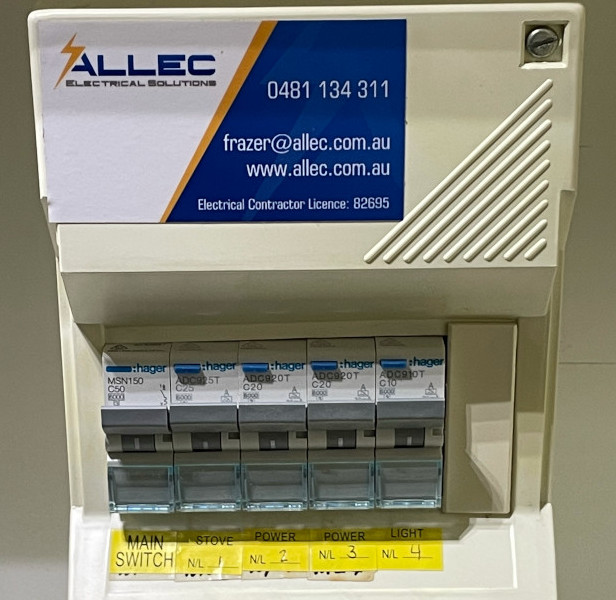
If you are replacing a gas cooktop with an induction model, an electrician will need to connect it directly to your home’s electrical system. In many cases, a new dedicated circuit may also need to be installed from the switchboard to ensure the cooktop has enough power to operate safely.
Price
Induction cooktops come in a wide range of prices, starting at around $600 and going above $6,000. Higher-priced models often include more cooking zones and extra features, but the best choice will depend on your cooking needs and budget.
Before buying, it is a good idea to compare different models to find one that suits your home.
An induction cooktop will need to be connected directly to your home’s electrical system by a licensed electrician. Depending on your existing wiring, you may also need a new dedicated circuit or a switchboard upgrade to safely supply enough power.
Induction Cooktop Pros And Cons
Induction cooktops have many benefits, but there are also a few things to consider before choosing one.
Advantages
Many people like induction cooktops because they offer:
- Fast cooking times
- Easy-to-clean surfaces
- Accurate temperature control
- Good energy efficiency
- Improved safety, as the cooktop surface stays cooler than a traditional electric cooktop
Disadvantages
One of the biggest drawbacks is that induction cooktops only work with certain types of cookware. If your current pots and pans are not compatible, you may need to buy new ones or use a special induction adapter.
Other disadvantages include:
- Higher upfront purchase costs
- Extra installation costs when changing from gas to induction
- Unusual buzzing or humming sounds during cooking
- A short learning period while getting used to the different cooking style
Electric Cooktops
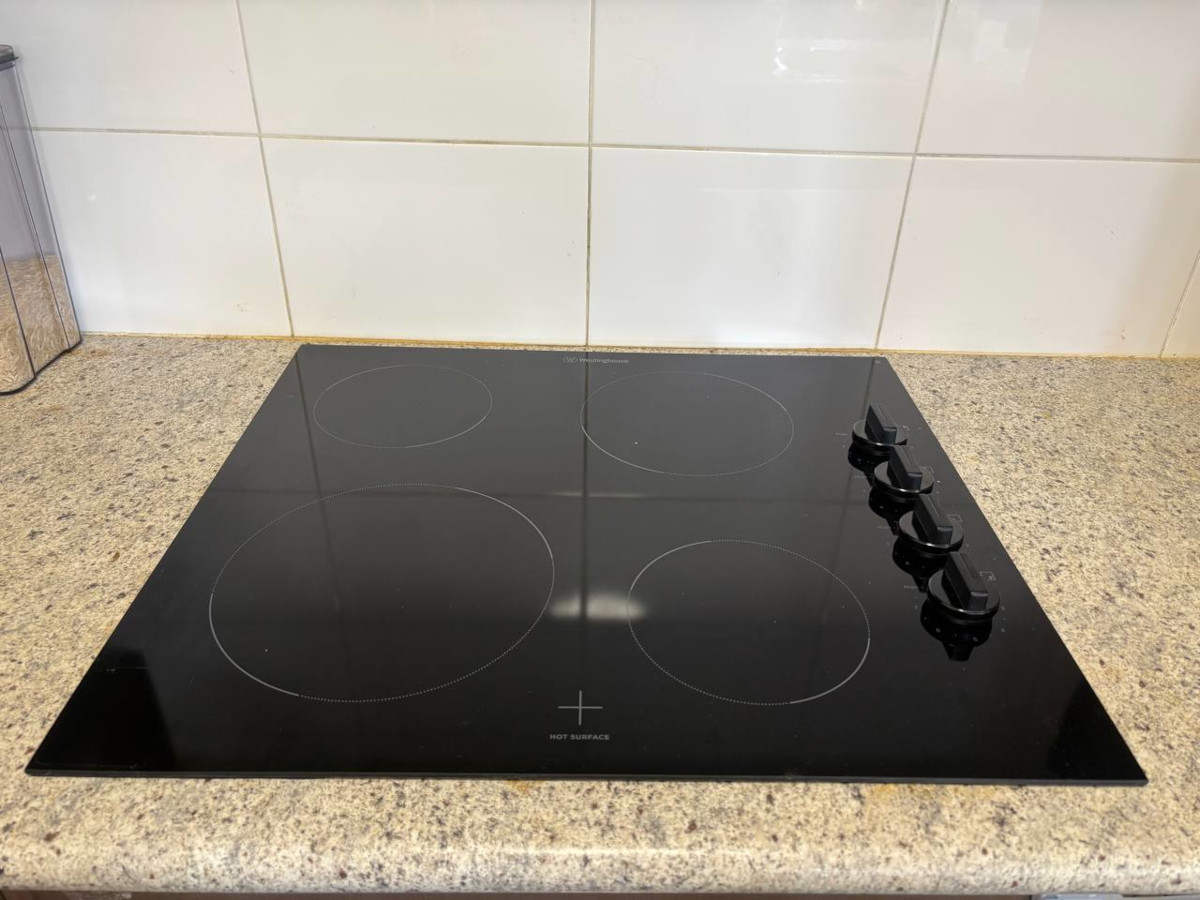
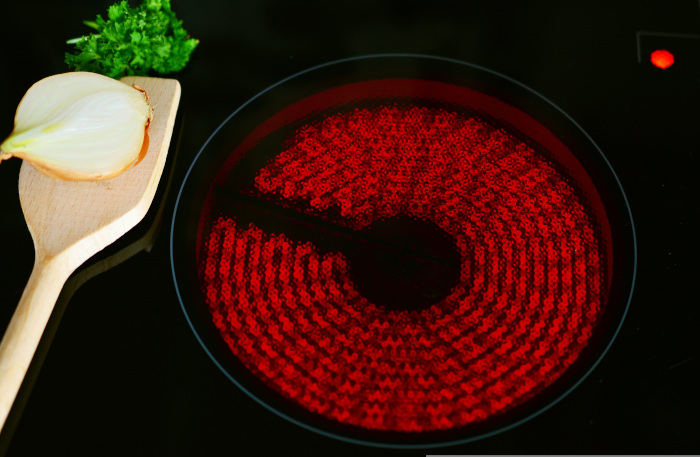
Electric cooktops, use metal heating elements underneath a glass surface. When electricity flows through these elements, they heat up and transfer that heat through the cooktop surface to your pots and pans.
Electric cooktops are a common choice in many homes and work with almost any type of cookware.
Because the cooktop surface itself becomes hot, it can stay warm during and after cooking, even when there is no pot or pan on it. This is different from an induction cooktop, which heats the cookware directly.
Energy Efficiency
A typical electric cooktop uses between 1,200 and 3,000 watts of power for each cooking zone, depending on its size and the heat setting being used.
Electric cooktops are generally more energy efficient than gas cooktops. Most of the electricity they use is turned into heat for cooking. Gas cooktops lose more heat to the surrounding air, which means a smaller amount of the energy is actually used to cook your food.
Price
Electric cooktops are available in a variety of price ranges, from around $150 to more than $6,000. Generally, higher-priced models offer additional cooking zones and extra features, although this can vary between products.
When choosing an electric cooktop, it is worth comparing different options to find a model that suits your household’s needs and budget.
Just like an induction cooktop, your electric cooktop will need to be hardwired by a licensed electrician. In certain cases, a dedicated circuit or switchboard upgrade may also be required, depending on the cooktop’s power requirements.
Electric Cooktop Pros And Cons
Electric cooktops are a popular choice because they are easy to install, simple to clean, and work with almost any type of cookware. However, they do not offer some of the benefits that induction cooktops provide.
Advantages
Electric cooktops offer several benefits, including:
- Easy-to-clean surfaces
- Lower upfront purchase costs
- Straightforward installation
- Compatibility with most pots and pans
Disadvantages
Because electric cooktops heat the cooking surface itself, the surface can remain hot for some time after cooking.
Other disadvantages include:
- Slower heating and cooling times
- Longer cooking times compared to induction cooktops
- Less precise temperature control
Key Factors To Consider When Choosing A Cooktop
If you’re trying to decide between a traditional electric cooktop and an induction cooktop, there are a few important factors to consider before making your choice.
Energy Efficiency And Running Costs
Induction cooktops are generally the most energy-efficient option because they heat the pot or pan directly instead of heating the surrounding surface. This can help reduce electricity use over time.
Gas cooktops lose some heat to the air around the flame, while traditional electric cooktops are usually less efficient than induction models.
If your cooktop is the last gas appliance in your home, switching to an electric or induction cooktop may also allow you to disconnect your gas supply. This can help you avoid ongoing gas connection fees, which may save some households around $400 per year.

Cooking Performance And Control
Both electric and induction cooktops offer good control while cooking, but there are some important differences to keep in mind.
Many electric and induction cooktops include digital touch controls, which make it easy to adjust heat settings. These controls often come with useful features such as child locks, timers, and pause functions.
Induction cooktops can change temperature almost instantly when you adjust the heat setting. This gives you more precise control while cooking. Electric cooktops take longer to heat up and cool down, so changes in temperature are not as immediate.
Safety Considerations
Both electric and induction cooktops include safety features designed to help reduce the risk of burns and damage.
Induction cooktops are often considered a safer option for homes with young children because the cooking surface does not get as hot as a traditional electric cooktop. The cooking zone also only works when a suitable pot or pan is placed on it.
Electric cooktops can stay hot for some time after cooking. To help prevent accidents, many models have a heat indicator light that shows which cooking zones are still too hot to touch or clean safely.
Both types of cooktops generally also include extra safety features, such as automatically turning off if food boils over or if an empty pan is left on the cooking zone. These features can help prevent damage and improve safety in the kitchen.

Cookware Requirements
If you choose an electric cooktop, you can use almost any type of pot or pan. However, induction cooktops only work with cookware made from certain materials.
If you already have stainless steel or cast iron cookware, it may work with an induction cooktop. However, glass, copper, and some aluminium cookware may not be compatible, which could mean buying new pots and pans.
Another option is to use an induction adapter disc, which sits between the cooktop and your cookware. While this can allow some non-compatible cookware to be used, it may not heat as quickly or efficiently as induction-compatible cookware.
Cleaning And Maintenance
Both electric and induction cooktops have smooth surfaces that are easy to clean.
However, spills are more likely to burn onto an electric cooktop because the surface becomes very hot during cooking. This can make some messes harder to remove.
Induction cooktops are often easier to clean because the surface stays much cooler. As a result, food and spills are less likely to burn onto the cooktop.
Installation And Home Setup
Electric cooktops are usually less expensive to buy than induction cooktops.
When comparing the two, it is important to think about more than just the purchase price. Factors such as energy efficiency, safety, cooking performance, and long-term running costs can also affect which option offers better value for your home.
Electric cooktops are often more affordable upfront and can be a practical choice when renovating a kitchen or replacing an older appliance. Induction cooktops usually cost more to purchase, but they may provide benefits such as faster cooking and lower energy use over time.
Installation costs can vary depending on your home’s electrical setup. If a new circuit, wiring upgrades, or gas disconnection work is required, additional costs may apply. A licensed electrician can advise on the installation requirements and provide an accurate quote for your home.
Conclusion
Both electric and induction cooktops have their own advantages, and the best choice will depend on your needs, budget, and cooking habits.
Induction cooktops offer fast heating, precise temperature control, and excellent energy efficiency. However, they usually cost more to buy and require compatible cookware.
Electric cooktops are generally more affordable, work with most types of cookware, and can be a practical option for many households.
Whichever option you choose, both electric and induction cooktops can provide reliable and effective cooking performance for your kitchen.
If you have any questions about electric or induction cooktops or need help with an electrical installation, contact ALLEC Electrical Solutions on 0481 134 311. Our team will be happy to assist.