Why Do My LED Lights Flicker
LED flickering lights are a pretty common problem in homes. They’re annoying, and sometimes they can be a sign that something is wrong. So it’s important not to ignore them.
No matter if your lights are LED or halogen, or if they flicker only when you dim them or all the time, this guide will help. We’ve put together the main reasons lights flicker and what you can do to fix them.
1. LED Downlight Flickering (12v Lighting Flicker – Transformer Or Connection)
Low-voltage lights, like 12V MR16s, can flicker even if you’re not using a dimmer. Besides dimmer problems, they might flicker because of:
- Transformers that don’t match: Older transformers are made to work with bulbs that use 20–50 watts. But modern LED bulbs, like the Philips 7W ones, are smart enough to still work with them. Other brands (and sometimes even Philips) might need a special 12V LED transformer to work properly.
- Loose connections: Any light can have loose wires, but it happens more often with low-voltage bulbs like MR16, GU5.3, MR11, or G4. Over time, the small 12V connectors can wear out, which leads to flickering.
A Note On Traditional Dimmers
Old-style dimmers were made for old light bulbs that used a lot of power. These dimmers work by changing how much electricity goes into the bulb. They also turn the power on and off very fast to lower the amount of energy being used.
Old bulbs don’t turn off instantly, they take a moment to fade out. So when the dimmer switches the power on and off quickly, the bulb never fully turns off. This makes the light look dim instead of completely dark.
Dimmable LED bulbs don’t work the same way. They turn off almost the second they stop getting power. So when you use an old-style dimmer on an LED light, the quick on/off switching can make the LED flicker instead of dim smoothly.
Solutions:
First, try the flickering bulb in a different light. If it works fine there, the problem is probably just a loose connection. If it still flickers (and you know a dimmer isn’t the cause), then you might need a new transformer.
Another option is to stop using 12V MR16 lights altogether and switch to mains-voltage LED downlights. These are easy because they’re already wired with a normal 2-pin plug.
With the power turned off, look at the light socket or wiring to see if anything looks damaged or loose. If it’s a mains-voltage light, you might need an electrician to fix or replace it. If it’s a 12V light, sometimes you can fix it just by replacing the small 12V connector.
Get A Replacement Quote2. The Ripple Effect
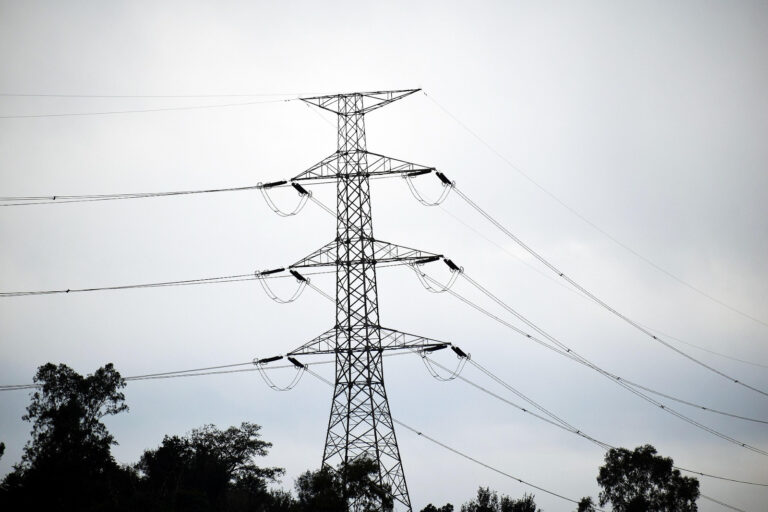
The ripple effect happens because of something called “ripple control.” This is a system power companies use to manage how much electricity people are using, especially in places like NSW and QLD. It helps stop everyone from using too much power at the same time.
Without ripple control, the power grid wouldn’t keep up, and power stations could get damaged. If that happened, it could take a long time to fix them and turn them back on.
Ripple control works by slightly lowering the amount of electricity sent to some areas during busy times of the day. This usually happens at the same time every day, often between 7–10 AM and 5–10 PM.
Because the power is reduced, LED lights (which use very little electricity) can be some of the first things to flicker. If you have lots of appliances running, the ripple effect can be even stronger, because those appliances will keep using the same amount of power, leaving less for your LED lights.
3. Loose Connections
Sometimes a light flickering happens simply because the LED bulb isn’t screwed in tight enough. When the bulb and socket don’t touch properly, even a small movement can make the light flicker on and off.
Even LED downlights (the ones built into the ceiling) can get loose over time.
So the first thing to try is tightening the bulb. Just be gentle, pushing too hard can crack the bulb. It’s also a good idea to wear a glove while you do it, even though LED bulbs don’t get very hot.
4. Dusty Or Dirty Sockets
Over time, dust can build up on your LED bulbs and even get inside the socket. If you haven’t cleaned your light fixtures in a while, dirt might be the reason your lights are flickering. This is a good time to clean the area and remove any dust around the bulb and socket.
It’s best to take the bulb out first so you can clean the socket properly. And always make sure the power is turned off before you do any cleaning.
5. Loose Electrical Wiring
Fun fact: Australians spend about $32 billion on home renovations. One big reason is that many homes here were built in the early 1980s.
Because these houses are older, they can have lots of electrical problems. If you live in one of them, that might be why your LED lights keep flickering.
If tightening the bulbs and cleaning the sockets doesn’t fix the problem, it’s time to call an electrician. You could be dealing with faulty wiring, which can be dangerous and even cause fires.
Get Help With Loose Wiring6. Incompatible Or Under-Loaded LED Dimmers
If you switch to LED lights, you might notice them flickering when you use an old dimmer switch. This usually happens because the dimmer isn’t getting enough power to work properly. Older dimmers were made for bulbs that used at least 20 watts, so they can have trouble dimming modern LED lights that use much less power.
Our Recommended Approach For Dimmable LED Bulbs:
To fix this problem, make sure your dimmer switch is made for LED bulbs. Switching to an LED-friendly dimmer will help your lights dim smoothly and stop the flickering. It also makes your lighting work better overall.
7. Inrush Current From Other Appliances
Do your LED lights flicker when you turn on big appliances like the oven, air conditioner, heater, or washing machine?
If they do, it’s because of something called “inrush current.” This is the big burst of power appliances need right when you switch them on. Since they use a lot of electricity, they can cause the voltage in your home to drop for a moment.
If your LED lights are on the same circuit as these appliances, they might flicker or dim. LED lights already use much less power than old halogen bulbs, so even a small drop in electricity can make them blink.
That’s why big appliances should have their own circuits, so they don’t mess with the electricity going to your LED lights or other devices.
8. Overloaded Circuits
Having lots of appliances is totally fine, as long as your meter box can handle them. The meter box is what sends electricity to all the different parts of your home. If it can’t keep up with everything you’ve plugged in, one of the first signs might be flickering LED lights.
Like we talked about earlier, appliances use extra power when they first turn on. But if you keep adding more and more appliances, your circuits can get overloaded. That means they need more electricity than your system can safely give.
An electrician can check whether your meter box is still big enough for your needs. If it isn’t, you might need to upgrade to a stronger one. This won’t just stop your lights from flickering, it can also help prevent dangerous electrical problems.
9. Low Quality LED Light Flickering
LED lights can still flicker even if you don’t have a dimmer switch. This usually happens with cheap or low-quality LED bulbs. They might work well at first, but then they start flickering and stop working much sooner than they should.
Test & Solutions:
If you think an LED is acting up, try it in a different light socket. If it stops flickering, the problem is probably with the original fitting. But if it still flickers, the bulb itself might be faulty.
A good rule to follow is to buy lights from trusted brands and choose sellers that offer warranties. This way, you’re more likely to get bulbs that last.

10. Voltage Fluctuations In Power Supply
Changes in the electricity flowing through your home can also make LED lights flicker. This happens when the voltage isn’t steady, often because other appliances are using power or there’s an issue with the power supply in your area. Even small voltage fluctuations can make them blink.
If your lights flicker when big appliances like air conditioners or washing machines are running, voltage changes might be the reason. Keep an eye on it, because if it happens a lot, you may need an electrician to check things and fix the problem.
Other Things To Check If Your LED Light Keep Flickering
Using less power from the electricity grid can also help reduce flickering LED lights. This is especially helpful for things you can’t control, like ripple control. You can’t stop ripple control from happening, but you can make it affect you less by using solar power.
Solar lights use energy from the sun, which is free and never runs out. They can light your home without using electricity from the grid, so even if ripple control happens, your solar lights won’t flicker.
Some solar lights are even portable, so you can use them like a torch if the power goes out. And solar energy is better for the environment than electricity made from fossil fuels.
You can also ask an electrician to install a ripple filter on your meter box. This device helps block the ripple effect that causes them to flicker.
How To Diagnose The Cause
- Turn the dimmer to full brightness. If the flickering stops, the dimmer is the problem.
- Look at the label on the dimmer. If it says “leading-edge” or “halogen,” replace it with one made for LED lights.
- Try the bulb in another light. If it flickers there too, the bulb is the issue. If it doesn’t, the problem is in the original circuit.
- Notice when it happens. If the flickering happens around the same time every night, it could be ripple control (common in Australia and New Zealand).
- Check the connections. If the light flickers randomly or when you bump it, there might be loose wiring — call a licensed electrician.
- Check the wattage. Make sure the total watts of your LED lights are within the dimmer or transformer’s limits. Too little or too much power can cause flickering.
- Think about heat and age. Hot ceiling spaces and older bulbs are more likely to flicker.

Solutions To Stop LED Bulb From Flickering
- Upgrade your dimmer: Replace old dimmers with ones made for LED lights. Adjust the settings so the lights don’t flicker at low brightness.
- Use dimmable LEDs: Only use bulbs that are made to work with dimmers. Regular LED bulbs will flicker on any dimmer.
- Match the right parts: For MR16 lights, replace old transformers with LED drivers or switch to 240V LED downlights that are all-in-one units.
- Fix wiring problems: A licensed electrician can tighten loose wires and replace worn-out sockets or switches.
- Use a ripple filter (AU/NZ): This device helps block ripple signals from the power company that can make lights flicker.
- Add a bypass or dummy load: This helps stop small flashes or “ghost” flickers when the light is off, especially with smart switches.
- Pick good-quality LEDs: Choose trusted brands that promise low flicker.
- Manage heat: Make sure there’s enough airflow around ceiling lights so they don’t overheat.
- Keep things consistent: Use the same type of bulbs and drivers on one dimmer circuit to avoid mixed flickering.
Final Word
LEDs last a really long time, way longer than old-style bulbs. But if they keep flickering, it can make them wear out faster.
So if your LED lights still flicker after you’ve tried all the common fixes, it’s a good idea to get a professional electrician to check things. Fixing flickering lights early can stop bigger electrical problems and keep your home safe and comfortable for your family.

FAQs
How Do I Stop My LED Lights From Flickering?
To stop LED lights from flickering, first make sure the bulb is screwed in properly. Then check if the bulb itself works and look at the dimmer switch. If you still have flickering issues and nothing fixes it, call a licensed electrician to check the voltage and wiring.
What Causes LED Lights To Flicker?
LEDs can flicker for a few reasons: the bulb might have a problem, the wires might be loose, the voltage might be changing, or there could be an issue in the circuit. Like we mentioned earlier, using an old dimmer switch with an LED bulb can also make it flicker.
Do LED Lights Flicker When Burning Out?
Usually, LED lights don’t flicker because they’re burning out. Some LEDs get dimmer as they get older, but flickering is a different problem and doesn’t mean the bulb’s life is ending.