TV Wall Mounting Cost [2026]
Have you recently bought a new TV but are not sure where to place it? Mounting your TV on the wall can be a good option because it helps save space in your home. But how much does a TV wall mount installation cost?
In many cases, mounting a TV on the wall costs around $50 to $300. You may also need to buy a TV wall bracket, depending on the type you choose. A fixed TV bracket usually costs about $59 to $179.
TV Wall Mounting Costs In Australia
The labour cost to mount a TV can change depending on where you live. Prices may be different in each city. The table below shows the typical installation cost in major Australian cities.
| City | Price |
|---|---|
| Adelaide | $80 to $100 |
| Brisbane | $100 to $120 |
| Canberra | $80 to $120 |
| Darwin | $70 to $80 |
| Hobart | $60 to $80 |
| Melbourne | $80 to $90 |
| Perth | $120 to $150 |
| Sydney | $120 to $140 |
The price can also depend on the size of your TV. Larger TVs usually cost more to install.
| TV Size | Price |
|---|---|
| Basic TV (up to 40”) | $50 to $110 |
| Large TV (up to 75”) | $89 to $275 |
| Extra large TV (over 75”) | $170 to $300 |
Another factor is the type of TV bracket you choose. Some brackets are simple, while others can tilt or move.
| Bracket Type | Price |
|---|---|
| Fixed TV bracket | $59 to $179 |
| Tilting bracket | $100 to $199 |
| Full-motion bracket | $150 to $300 |
Factors Affecting TV Wall Mounting Prices
The cost of mounting a TV on a wall can vary depending on the type of service you choose. An electrician might charge by the hour, but can also offer a fixed price.
Hourly rates usually range from about $40 to $80.
The total cost of a TV wall mount installation can also change depending on several factors, including:
TV Size
Some electricians may charge a little more depending on the size of your TV. A small TV can usually be mounted by one person, while larger TVs may need two people to install them safely.
Some electricians charge a fixed price, while others may charge by the hour. It can be helpful to speak with an electrician first so you understand the expected cost before the work begins.
The size of your TV can also affect the type of TV bracket that may be suitable.
Fixed Wall Mounts
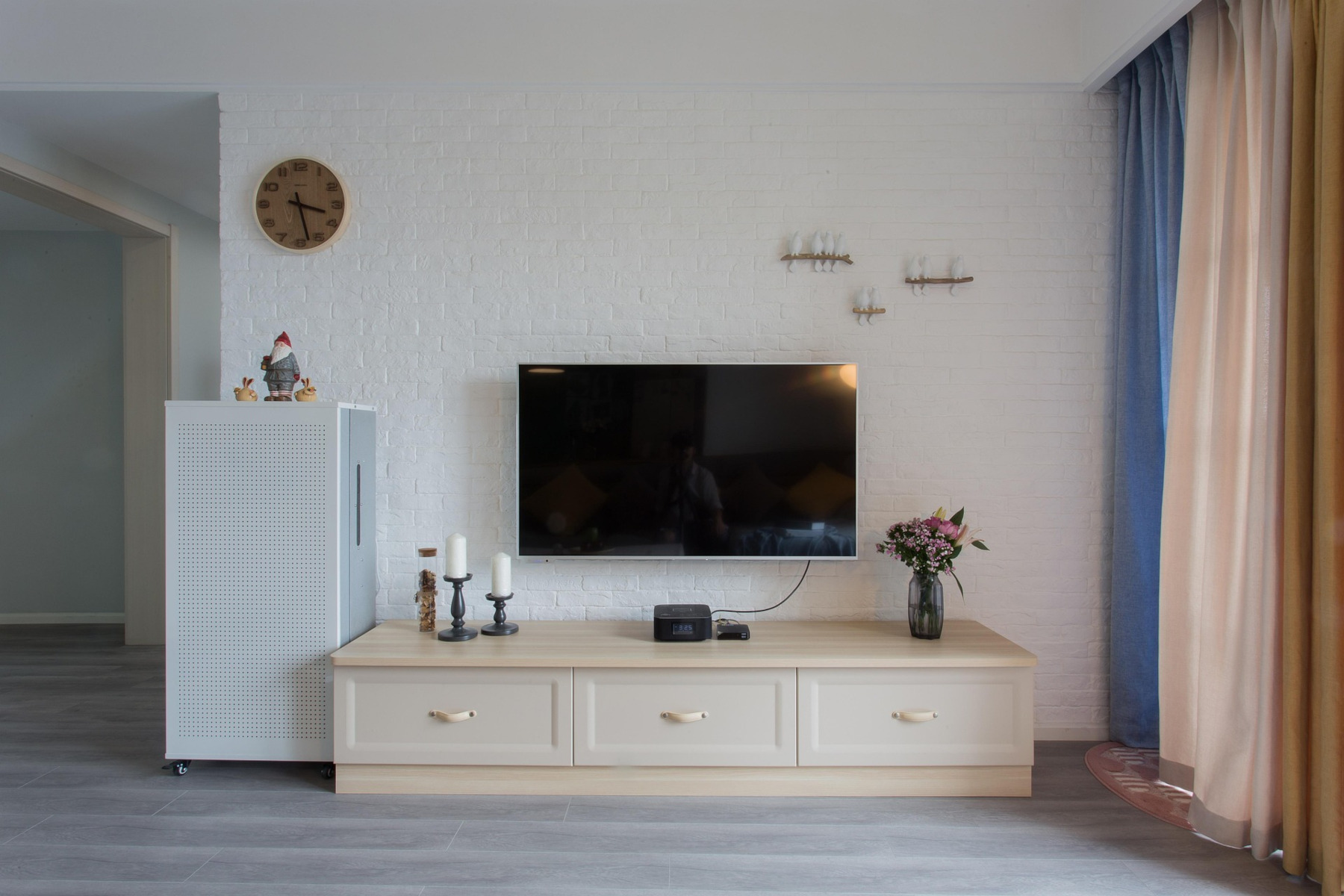
Fixed wall mounts are the simplest and often the most affordable type of TV mount. They hold the TV flat against the wall, which can give the room a neat and modern look.
This type of mount can be a good option if you usually watch TV from one main spot and do not need to adjust the screen after it is installed.
A fixed wall mount typically costs between $100 and $200, depending on the brand and how much weight it can support. One advantage is that it holds the TV securely against the wall. It is also often easier to install than other types of mounts, which is why many people choose this option.
Tilting Wall Mounts
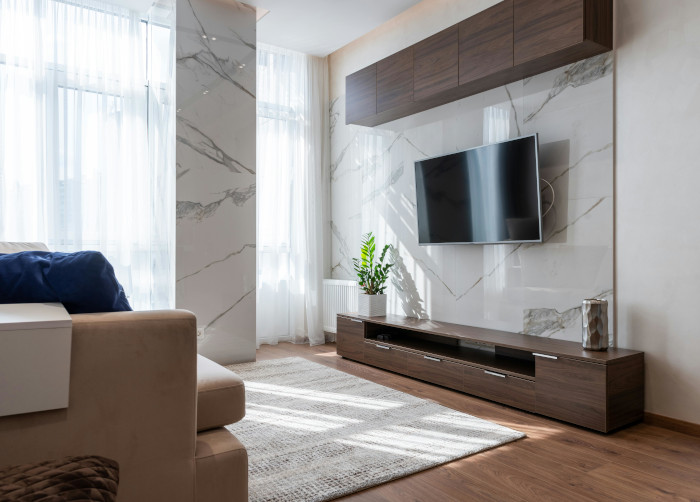
Tilting wall mounts offer a little more flexibility than fixed mounts. They allow the TV to tilt slightly downward, which may help reduce glare from windows or overhead lights.
These mounts usually cost between $120 and $250, so they may be a little more expensive than fixed mounts. They can be helpful when a larger TV is mounted higher on the wall.
Adjusting the angle can make the screen easier to view from the seating area. Some tilting mounts may also include simple cable management features to help keep cords neat and out of sight, which can make the space look tidier.
Full-Motion Wall Mounts
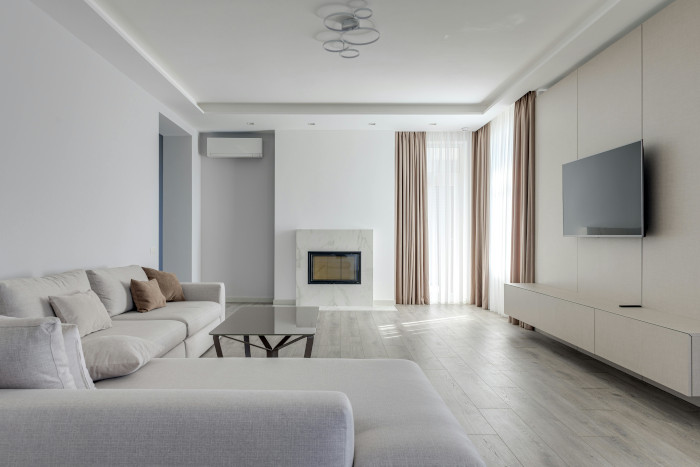
Full-motion wall mounts, sometimes called articulating mounts, offer the most flexibility. They allow the TV to move slightly away from the wall, turn from side to side, and tilt in different directions.
This type of mount can be useful in rooms where the TV may be watched from different areas or where the screen might need to be adjusted from time to time. Because of these extra features, full-motion mounts are usually more expensive, often costing between $150 and $300.
They can be suitable for larger or open living spaces where seating positions may vary. Many full-motion mounts are also designed to support larger TVs while still allowing the screen to be adjusted when needed.
Sound System
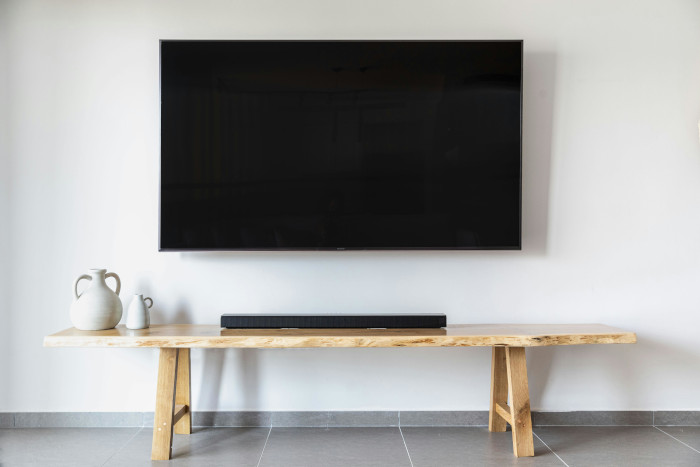
Sound systems such as a soundbar or surround sound system can also add to the cost of a TV wall mount installation. This is because the electrician may need to connect the system and manage the wiring.
They will usually make sure the cables are safely installed, neatly hidden, and correctly connected to the television. In some cases, a separate installation may be arranged if the sound system requires additional setup.
Cable Wiring
Connecting and hiding the wires can take extra time. Small parts such as wire extensions, fasteners, or an HDMI connector may add about $3 to $10 to the total cost.
It is a good idea to speak with your electrician first so you can get a clear estimate before the work begins.
What Add-Ons Can I Get When Mounting My TV?
If simply watching TV is not enough, you may choose to add a few extras to improve your viewing experience.
TV Wi-Fi
If you bought your TV about five years ago, you usually do not need to worry because many TVs already have built-in Wi-Fi.
If you are using an older TV again, you can ask a technician or electrician to help set it up so it can connect to Wi-Fi.
Cable TV
On days when YouTube or Netflix are not enough, you can still watch regular TV channels. An antenna can be installed so your TV can receive local channels for news and entertainment.
Additional Costs To Consider
Tools And Equipment
In Australia, TV wall mounting and electrical work should be carried out by a qualified electrician. This helps make sure the installation is safe and meets local regulations.
Electricians usually bring all the tools needed for the job, such as a stud finder, level, drill, and screwdriver. These tools are normally included in the installation cost, so you do not need to purchase or rent them yourself.
Cables And Accessories
Keeping cables tidy can help the TV setup look neat and organised. Cable covers or conduits can be used to hide visible wires and improve the overall look of the installation.
These accessories usually cost between $10 and $50, depending on the setup and how many cables need to be covered.
Wall Reinforcements
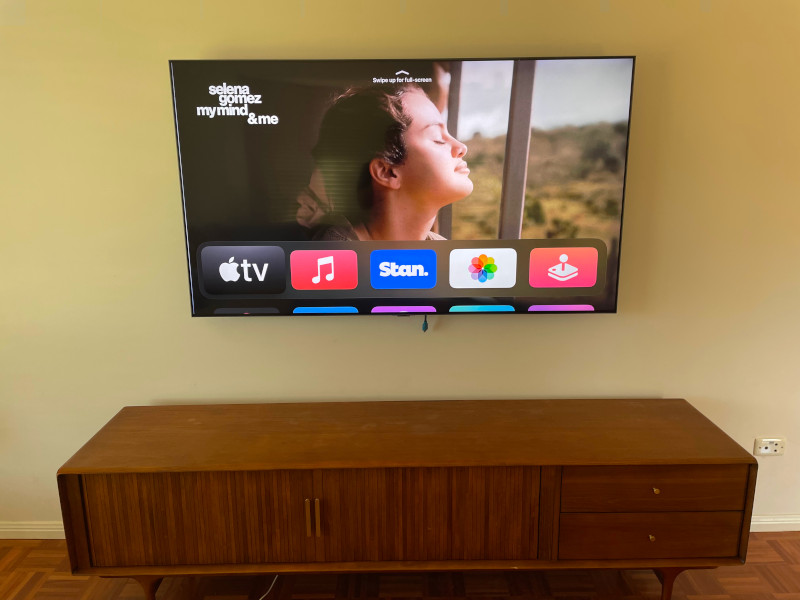
In some cases, the wall may need extra support, especially for larger TVs or if the wall is not strong enough. An electrician may add supports such as brackets or a backing board to help hold the TV safely.
This extra work can add about $50 to $200 to the total installation cost, depending on what is needed.
Cost Breakdown: Professional Installation
Labor Costs
The cost for professional installation is usually between $250 and $400. The price can change depending on how difficult the job is and the experience of the electrician.
Some electricians charge a fixed price, while others charge by the hour.
Service Packages
Many electricians offer service packages that include the TV mount, the installation work, and extra services such as hiding cables or strengthening the wall.
Buying a package can sometimes cost less than paying for each service separately. These packages usually cost between $300 and $650, depending on what services are included.
Warranty And Insurance
When hiring an electrician, it can be helpful to ask about warranties and insurance. Many professional electricians offer a warranty on their work in case a problem occurs later.
Insurance is also important, as it can help cover any damage that may happen during the installation. This can provide added peace of mind, especially when installing a new TV.
Things To Do Before Mounting Your TV
It can be helpful to think about a few things before asking for a quote. Here are some points to keep in mind before booking a TV wall mounting service:
Identify Your Wall Type
Some walls are easier to work with than others. It is helpful to know what type of wall you have so the installer knows what tools and equipment to bring.
For example, brick and concrete walls can take more time to work with and may cost a little more. Plasterboard walls are usually easier to install on and may cost less.
When asking for a quote, it is a good idea to mention your wall type so the electrician can give you a more accurate price.
Choose Where To Hang Your TV
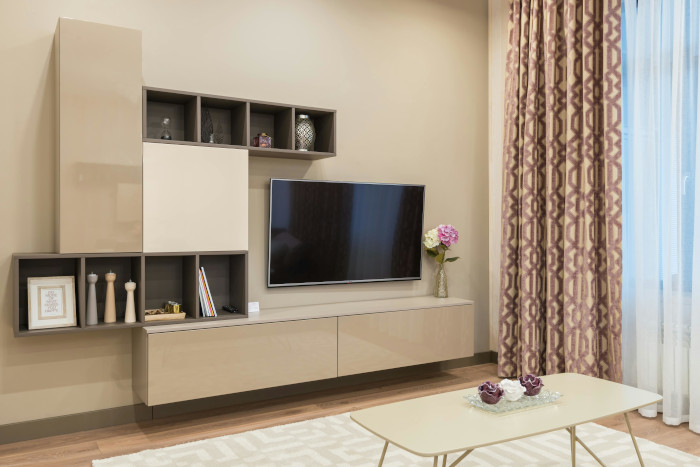
Where you place your TV can affect how comfortable it is to watch. It should be close enough to your sofa, but not so close that it feels uncomfortable to look at.
The TV should also be mounted at a height that does not make you strain your neck. It is a good idea to check the best spot for your TV before it is mounted on the wall.
Measure Your TV
If your TV or bracket is VESA-approved, the measurements are standard, so they should fit together without any problems.
If it is not VESA-approved, you may need to measure the TV yourself. This includes the TV’s diagonal size, its width and height, and the distance between the mounting holes on the back.
DIY vs. Professional Installation
In Australia, TV wall mounting and related electrical work should be carried out by a licensed electrician. This helps make sure the installation is safe and meets local regulations.
A professional electrician has the right tools, knowledge, and experience to mount the TV securely and manage any wiring that may be required. They can also help choose the best position for the TV based on the room layout and lighting.
Hiring a qualified electrician helps ensure the installation is done correctly and safely. Many electricians also offer a warranty for their work, which can provide extra peace of mind.
Hire ALLEC Electricians For TV Wall Mounting
Buying a good TV is only the first step. It is also important to have it installed properly. Contact ALLEC and have a qualified electrician mount your TV safely and correctly.
Once the installation is complete, you can relax on your couch and enjoy your favourite shows.

FAQ
Where Do Wires Go When Wall Mounting A TV?
Attention to detail is important. The TV cables can be neatly hidden inside the wall so there are no visible cords. This helps keep the space looking clean and tidy.
How High Is Too High To Mount A TV?
It is best not to mount your TV too high on the wall. If the TV is placed too high, viewers may need to tilt their heads up too much to watch comfortably.
As a general guide, people should not need to tilt their heads more than about 35 degrees above eye level to see the top of the screen.
Can A 55 Inch TV Be Wall Mounted?
Yes, a 55-inch TV can be mounted on a wall. Today, many living rooms use larger TVs, so a 55-inch TV may be considered a bit smaller, but it can still work well depending on how far away you sit from the screen.